
 Free Shipping within SG With Order Over $80
 Lowest Price Guarantee

Over Wearing Contacts
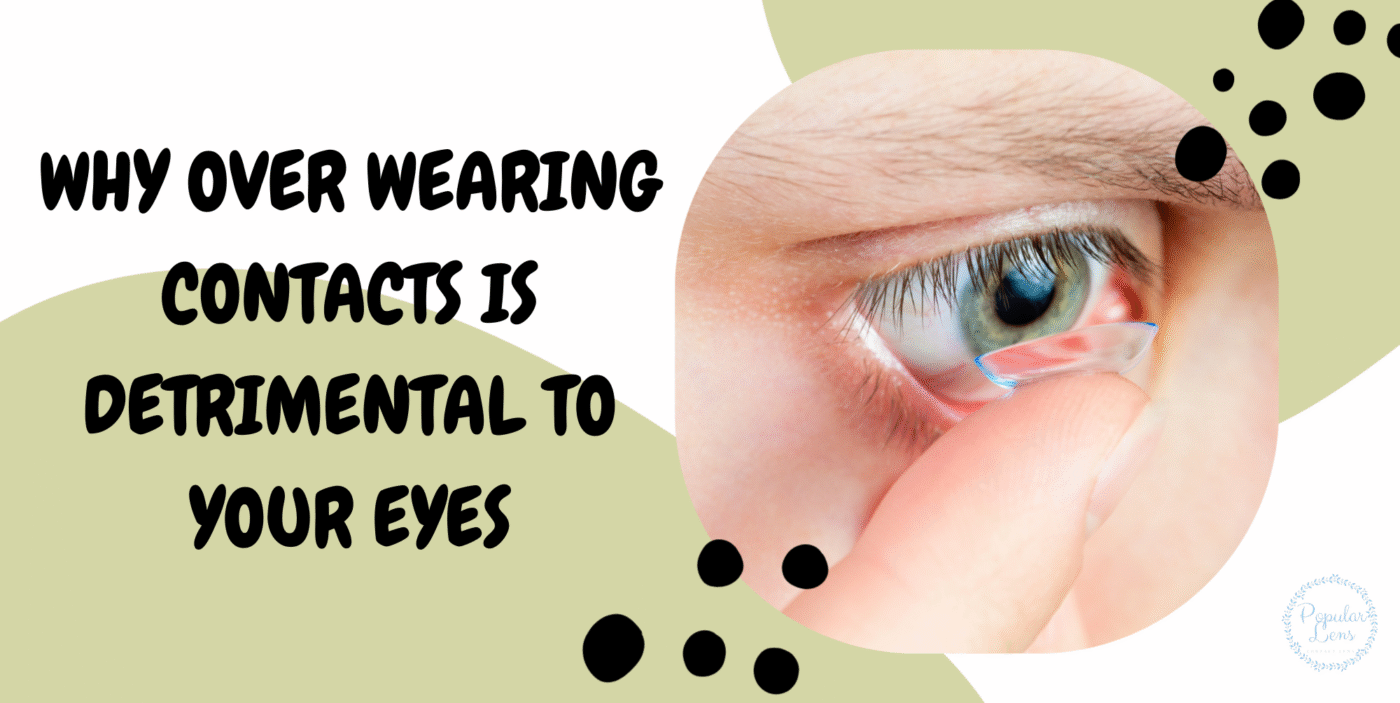
Why Over Wearing Contacts Is Detrimental to Your Eyes
Nov
Over wearing contacts reduces oxygen supply to the cornea and can severely damage your eyes, causing dryness, irritation, and higher infection risk. Long-term effects including corneal ulcers also render your eyes more vulnerable. Keeping your eyes healthy and pleasant depends on first arranging appropriate wear schedules and hygiene.
Over Wearing Contacts 1: Increased Risk of Eye Infections
One of the most serious results of over-wearing contact lenses is a higher eye infection risk; hence eye care experts stress exact wear-time restrictions. Lenses encourage an environment where germs, fungi, and other microorganisms may flourish when they stay on the eyes longer than advised.
Heat and moisture caught by the lens against the cornea promote microbial proliferation, therefore weakening the eyes’ intrinsic defensive systems. At the same time, less oxygen circulation compromises the surface of the cornea, rendering it more susceptible to little cuts. For dangerous infections, these microscopic apertures make ideal entry points.
Conditions including conjunctivitis, microbial keratitis, and corneal ulcers thus become much more probable. Over-wearing also accelerates the buildup of proteins and garbage, which draws more irritants and microbes. Because closed eyelids lower oxygen supply more and stop tears from washing off impurities, even sleeping or napping in daily wear lenses greatly increases infection risk. Early symptoms like redness, too tearing, pain, or hazy vision may seem insignificant to many wearers; however, infections may soon worsen if untreated.
Severe cases of keratitis can arise in as little as 24 hours and could cause lasting scars or even visual impairment. Long-term eye health therefore depends on following correct lens schedules, practicing excellent cleanliness, and timely replacement of lenses. Though over-wearing your contacts might appear to be practical in the moment, it dramatically raises your risk of getting unpleasant and possibly sight-threatening infections.
Over Wearing Contacts 2: Reduced Lens Comfort and Tolerance
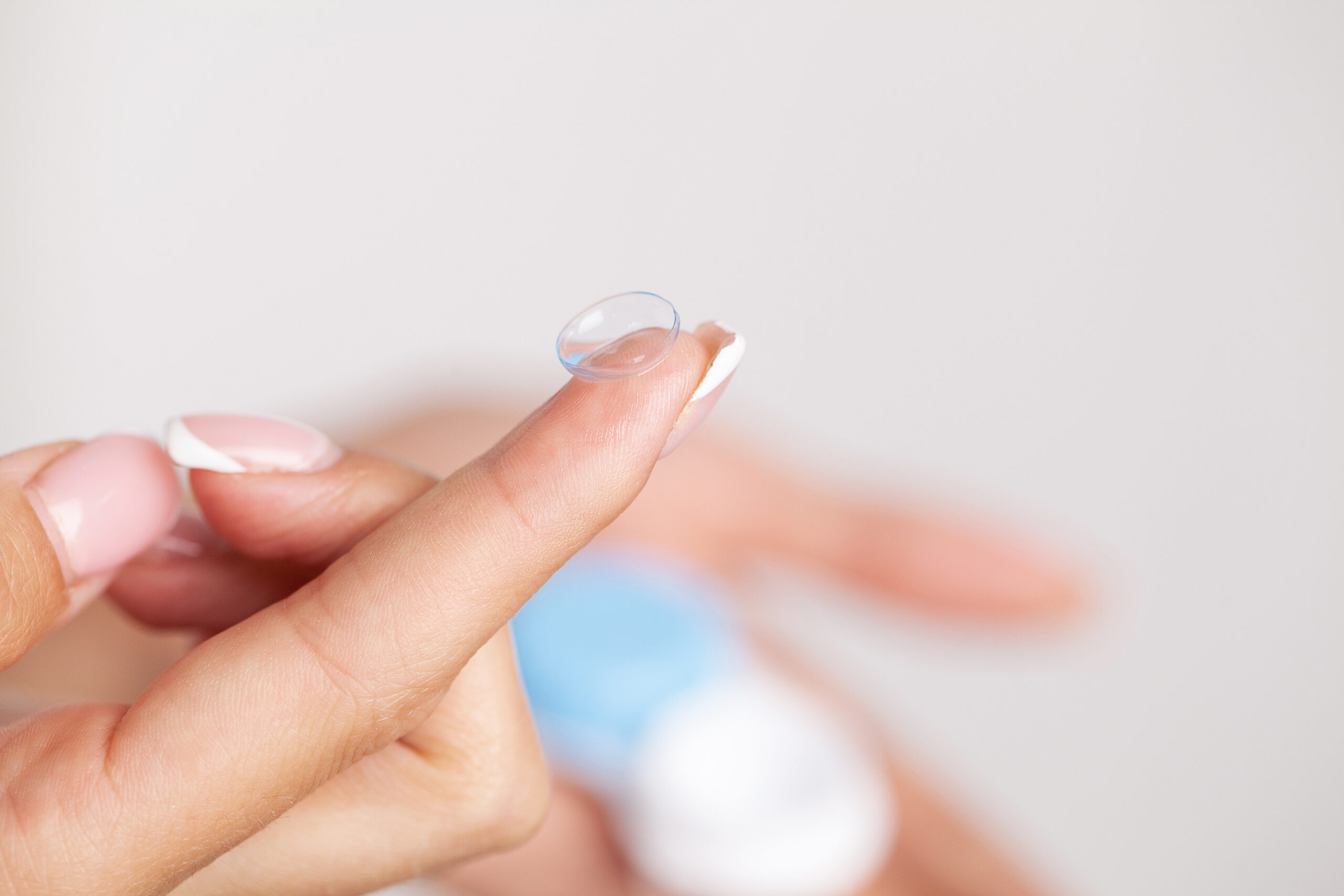
One of the most obvious indicators that excessive use of contact lenses is hurting your eyes is decreased lens tolerance and comfort. The cornea gets less oxygen and the tear film becomes broken when contacts are used for longer than advised, hence making it more difficult for the eye to keep itself hydrated.
The eye’s surface over time becomes more sensitive as a result of this continual stress, therefore lenses that once felt pleasant for a whole day may start to feel aggravating after just a few hours. Many consumers start to see dryness, grit, or a never-ending need to blink — all of which point to the eyes battling to handle.
The eye loses its inherent capacity to tolerate contact lenses the longer this goes on, therefore generating a cycle of pain that worsens with frequent overuse. Tiny surface abrasions may occasionally arise, adding to the challenge for the lens to fit comfortably on the eye. This drop in comfort can also impact vision quality because dry or irritated eyes make the lens move or blur more readily.
Some users may eventually discover they can’t wear contacts at all or for the lengths they once could without great pain. Lower tolerance warns the eye to rest and receive appropriate care so it can recover, not only a bother. Neglecting it raises the risk of long-term problems and makes comfortable lens use more difficult to obtain in the future.
Over Wearing Contacts 3: Higher Risk of Long-Term Vision Complications
Over-wearing contact lenses raises the risk of long-term vision problems substantially, hence it is among the most serious results of bad lens practices. Chronic hypoxia, a condition whereby the cornea is frequently deprived of oxygen, results from contacts worn beyond their suggested duration.
Over time, this lack of oxygen erodes the corneal structure, leading to small but steady damage that could not necessarily create pain or visible signs right away. Further weakening the corneal surface, repeated irritation and dryness cause little micro-abrasions that enable dangerous germs to enter more readily. This leaves people more susceptible to serious illnesses including microbial keratitis or corneal ulcers, either of which may create lasting scars that impair eyesight.
Long-term problems resulting from chronic inflammation from over-wear lenses include corneal neovascularisation, in which aberrant blood arteries start expanding into the cornea in response to stress. In more severe cases, these vessels can impair clear vision and completely restrict future contact lens usage. Chronic allergic responses or big papillary conjunctivitis (GPC), a condition causing ongoing discomfort and increasing lens wear difficulty, may also be caused by protein deposits gathering on overused lenses.
Eventually, the hypoxia, irritation, and inflammation cycle can result in permanent visual changes far more challenging to treat than early, reversible symptoms. Following appropriate wear schedules and allowing your eyes enough rest helps you to avoid these long-term problems and preserve your general eye health.
Over Wearing Contacts 4: Protein and Debris Buildup

Protein and debris buildup is among the most common but occasionally forgotten causes of over-wearing contact lenses that damages your eyes. Throughout the day, your lenses gather proteins from your tears along with tiny dust, contaminant, and germ particles from the environment.
When lenses are worn for longer than recommended, these deposits start to form a thick layer on the surface, which causes the lenses more and more objectionable and reduces oxygen flow to the cornea. This accumulation not only creates an ideal environment for pathogenic bacteria but also increases the abrasion between the lens and your eye, hence producing roughness, irritation, and redness. Chronic inflammation brought on by the accumulation of deposits over time will make your eyes less sensitive and less tolerant of contact lens wear.
Vision clarity can be additionally harmed as the film of the deposits diffuses light and produces a foggy appearance for your eyes. Wearing lenses past their lifespan or failing to give recyclers enough cleaning time worsens the problem since layers of protein harden and are more difficult to remove.
More severe instances of these deposits can trigger allergic responses including giant papillary conjunctivitis (GPC), in which the inside eyelid puffs and gets red, thereby much worsening contact lens use. Longer-than-intended lens wear hastens this accumulation process, therefore threatening your eye health. Good wear routines and hygiene habits are necessary to make sure your eyes remain clear, comfy, and shielded.
Over Wearing Contacts 5: Dry Eyes
Among the most often seen and aggravating consequences of erroneous lens use, over-wear contact lenses really aggravate dry eyes. Long-term contact lenses resting right on the cornea disturb the eye’s natural tear film, which is essential for preserving the eye’s moisture, nutrition, and protection.
Lenses can destabilise the tear film, which will cause the eye’s insufficient surface hydration, therefore longer than advised. Burning or sandy sensation, irritation, redness, and hazy eyesight are among the range of symptoms this might cause. Apart from pain, dry eyes raise the eyes’ sensitivity to infection since the tear film is essential for removing debris and bacteria.
Too much lens use may set off a persistent cycle of dryness and inflammation or aggravate existing dry eye issues. Some lens materials, particularly those of worn hydrogel lenses, have diminished breathability and inhibit more oxygen from reaching the cornea, so greatly increasing dryness. Environmental conditions including screen time, air conditioning, and low humidity aggravate these effects; hence adhering to recommended wearing habits becomes all the more crucial.
Ignoring the signs of dryness over time could have long-term effects including corneal inflammation, epithelial damage, and impaired lens tolerance. Good lens cleanliness, breaks from glasses, lubricating drops as required, and adherence to everyday wear constraints all help to preserve general eye health and stop dry eyes. Top focus on eye comfort and hydration guarantees safe and pleasant contact lens usage.

We are a company of optometrists & opticians. We focus on providing our customers with their preferred optical products to improve visual acuity and enhance their quality of life. At PopularLens, you will find niche and exclusive brands.