
 Free Shipping within SG With Order Over $80
 Lowest Price Guarantee

Contacts Care Checklist
Contacts Care Checklist: A Pro’s Guide to Infection-Free Wear
Nov
Contacts care checklist is great for maintaining infection-free, healthy, and safe eyes is checklist. It emphasises the must-follow behaviours such as careful handling, timely lens replacement, and proper cleaning that safeguard your vision daily. Using the correct regimen lowers the risk of severe eye problems while letting you have pleasant, irritation-free wear.
Contacts Care Checklist 1: Hand Hygiene Before Handling Lenses
Good hand hygiene prior to lens handling is among the most effective measures one takes to guarantee safe lens usage and prevent eye infections. Every time you handle your lenses, oils, microorganisms, and other particles from your hands can go straight to the sensitive surface of your eye.
Professionals recommend cleaning with soap and warm water prior to lens removal or insertion. One has to wipe every section of the hands — fingertips, palms, beneath fingernails for at least 20 seconds to eliminate filth and bacteria. After cleaning, hand drying helps to keep fibres from sticking to the lenses by means of a clean, lint-free towel. Normal towel labelling or cleaning reduces just hand drying contaminants.
It is also advisable to steer clear of scents, oils, or creams on your hands just before touching lenses as these products can coat the lens surface, irritate the eye, and promote bacterial proliferation. For individuals who use lenses over long periods, hand cleanliness is absolutely vital as little dust and bacteria particles may collect over time and increase the chance of significant eye issues like keratitis.
Poor hand hygiene can negate every other preventative measure even when the correct solutions are used to clean lenses. Setting a habit of meticulous hand washing and proper drying before to lens contact lowers wearer risk of inflammation, infection, and long-term eye problems therefore making this a basic behaviour for comfortable and infection-free contact lens wear.
Contacts Care Checklist 2: Proper Cleaning and Disinfection
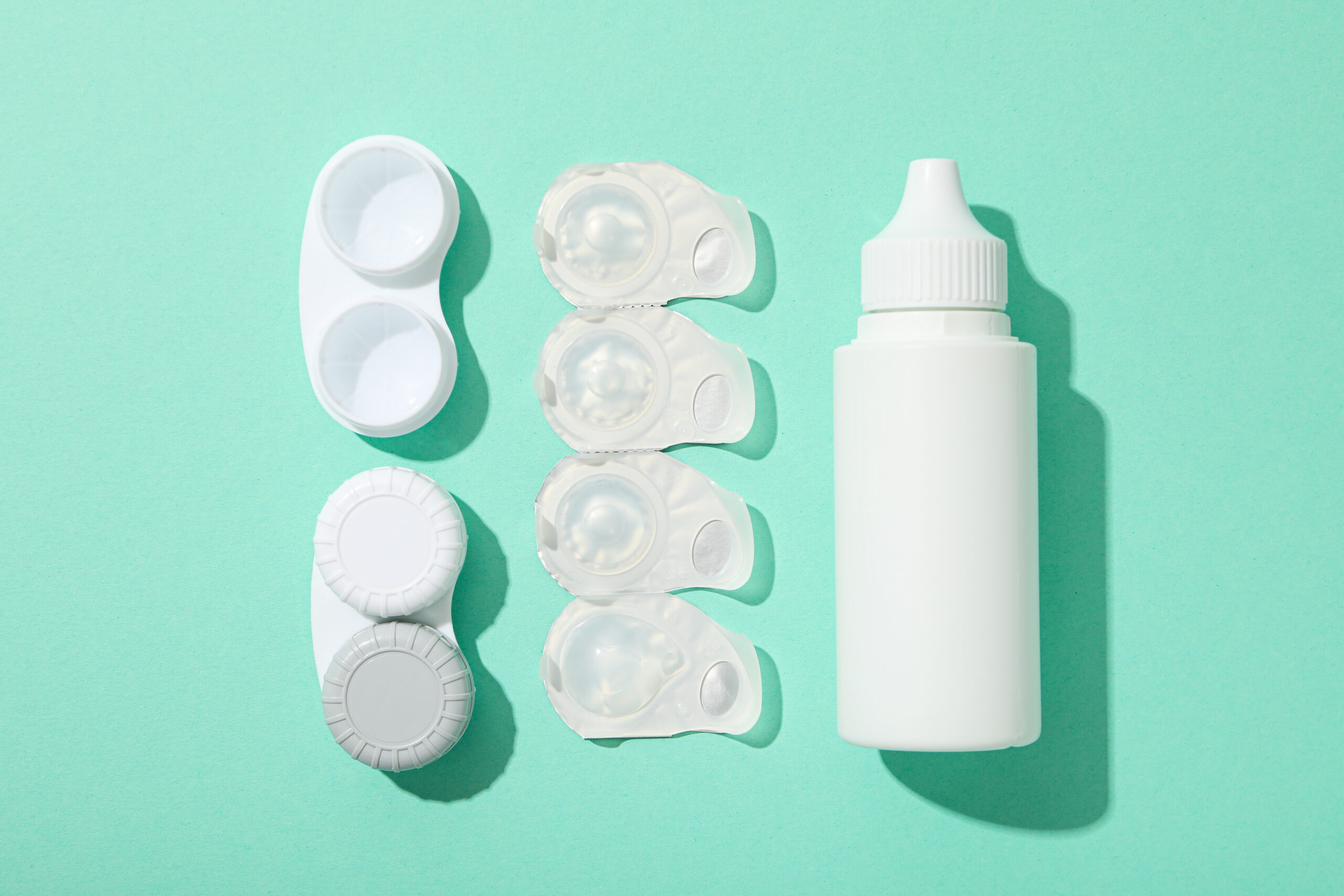
One of the most important measures in maintaining eye health and avoiding infections is proper cleaning and disinfecting of contact lenses. Bacteria, fungi, or other germs can inhabit even lenses that seem clean and cause major eye issues if not adequately treated.
The first guideline is to only utilise the disinfecting solutions advised by an eye care specialist. Homemade treatments, tap water, or saliva are never safe since they directly expose the eye to dangerous microbes. Although the solution is marketed as “no-rub,” the “rub-and-rinse” technique is strongly advised when cleaning lenses. Gently wiping each lens with the solution and then washing it off more successfully removes surface deposits, proteins, and microbial pollutants than soaking alone.
Following the directions on the bottle of the solution is critical, including correct soaking times to guarantee full sterilising. Solutions that have expired or incorrectly kept bottles raise infection risk and lower effectiveness. Maintaining the lens case itself is equally crucial. Lenses housed in a dirty or reused case can fast become contaminated, cancelling out all cleaning attempts. Daily cases have to be washed with new solution; they have to air dry inverted and be changed every one to three months.
Including these habits into a regular schedule helps contact lens wearers greatly lower their chance of eye irritation, redness, or more serious infections like keratitis. Correct disinfection and cleaning not only protect eyesight but also lengthen lens life, therefore guaranteeing pleasant and secure usage throughout.
Contacts Care Checklist 3: Lens Storage and Case Maintenance
Guaranteed contact lens use free from infection depends on proper lens storage and case care among other fundamental pillars. A lens case may develop into a breeding ground for bacteria, fungus, and other microorganisms far more than merely a storage container if overlooked.
Always use a clean, ventilated case to lower risk and change it every one to three months, even if it looks clean. Instead of tap water, which might bring in harmful bacteria including Acanthamoeba that cause severe eye infections, daily maintenance calls for rinsing the case with fresh, sterile sterilising solution. It’s imperative to let the case air dry upside down after each application to prevent any residual wetness that might encourage bacterial growth.
When storing lenses, avoid topping up ancient solution; always throw away the previous solution and refill the case with fresh disinfecting solution to preserve total effectiveness. Additionally make sure the case is firmly closed to protect against contamination and that lenses are thoroughly submerged in liquid. Since damaged or worn cases could endanger lens security, frequent check of the case for cracks or residue accumulation is also essential. Professionals occasionally advise owning distinct lens cases for each lens type or prescription in order to prevent cross-contamination.
Following these strict storage instructions helps lens users significantly lower their risk of eye infections, preserve lens integrity, and support overall eye health. Effective basic step turns daily lens usage into a safe, hygienic behaviour that improves long-term visual health: eventually regulated lens case care transforms typical lens use into a safe, clean habit enabling long-term eyesight.
Contacts Care Checklist 4: Wearing Schedule and Replacement
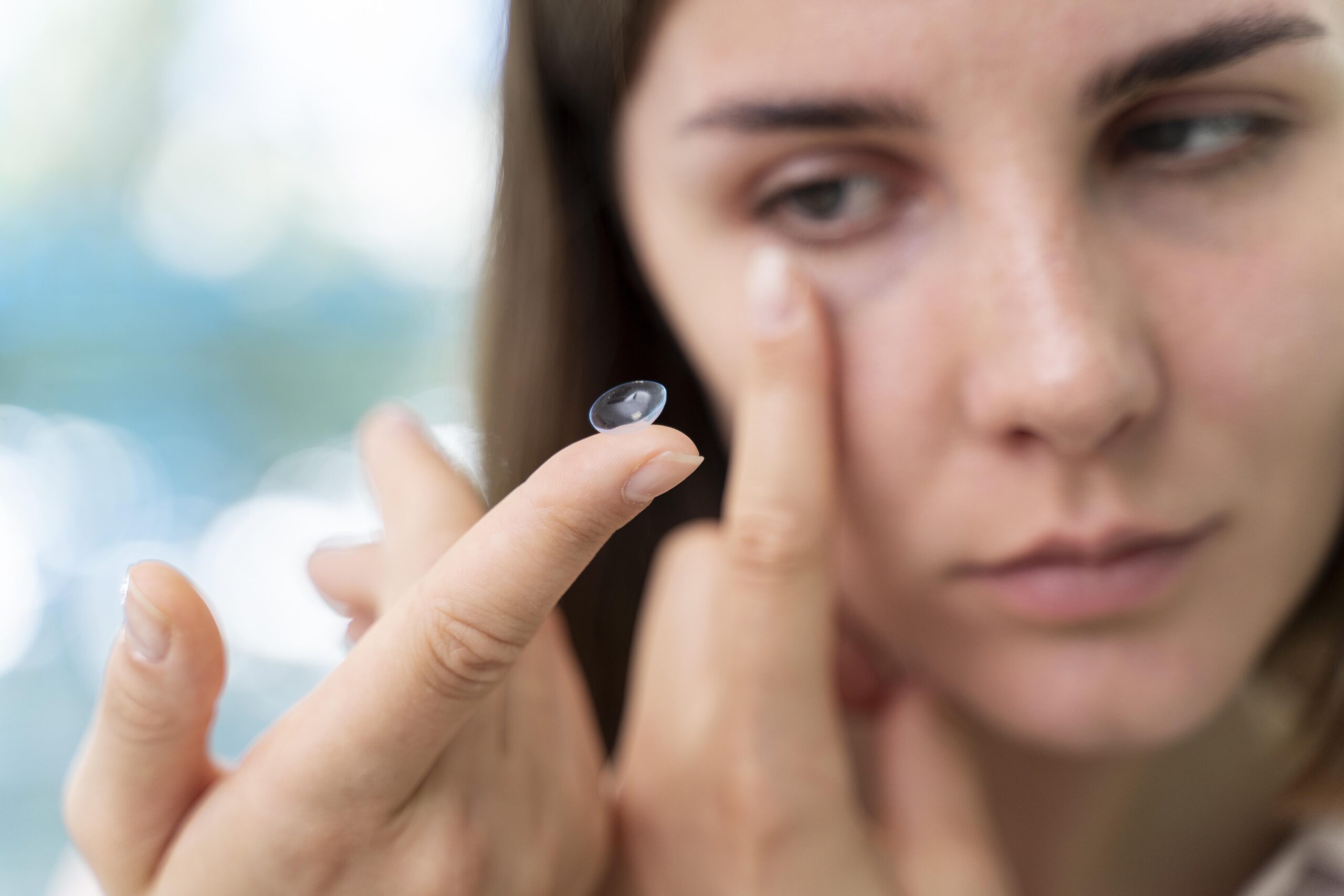
Strictly following a suitable wearing schedule and replacement schedule is one of the most important components of infection-free contact lens use. Whether daily, bi-weekly, or monthly, contact lenses are intended to offer maximum safety and comfort only within their advised use time frame.
Wearing lenses more frequently than these constraints could decrease the supply of oxygen to the cornea, therefore raising the possibility of irritation, dryness, and perhaps severe illnesses. While bi-weekly or monthly lenses need to be cleaned, sanitised, and properly stored between uses, daily disposable lenses are designed for single use and should never be recycled.
Removing lenses right away is just as crucial in case of any pain, redness, or blurry vision, as these symptoms could point early symptoms of infection or incorrect fit. Regular adherence to the replacement schedule helps to maintain the lenses’ structural integrity, moisture retention, and clarity — all of which are vital for comfort and vision quality not only preserves eye health. Maintaining a disciplined habit for people prone to forget can be aided by use log or reminder setup.
Furthermore, sleeping in lenses without written authorisation from an eye care expert is strongly discouraged as it significantly raises the possibility of corneal hypoxia and microbial keratitis. Respecting the given wearing schedule and replacement policy is ultimately a core habit that protects eye health, avoids long-term consequences, and guarantees that contact lenses stay a secure and practical vision correction choice, not merely a suggestion.
Contacts Care Checklist 5: Eye Health Monitoring
A fundamental part of safe and infection-free contact lens usage is eye health examination, which assures long-term visual integrity as well as comfort. Regular eye exams are especially crucial since they let eye care professionals evaluate lens fit, find early symptoms of eye disease, and detect minute changes in corneal condition that might otherwise go undetected.
Never write off even little symptoms like redness, itching, too much tears, or hazy vision since they might signal dryness, lens-related problems, or perhaps infections. Keeping a record of lens use, varieties of solutions, and replacement schedules helps spot trends that produce discomfort or risk, therefore allowing for proactive changes.
Knowing environmental and lifestyle elements like exposure to smoke, dust, or prolonged screen time, all of which might aggravate dryness or inflammation when wearing lenses is part of eye health monitoring. Contact lens users should follow recommended schedules, immediately remove their lenses in response of any discomfort, and avoid attempting to tough it out as postponing expert diagnosis can aggravate symptoms. Avoiding issues also depends on knowledge of systematic health, which includes allergies or chronic illnesses affecting tear production.
Wearers may significantly reduce the chance of infections and ensure that contact lenses remain a safe, useful, and comfortable feature of daily life via regular check-ups, early warning signal recognition, and lens habit changes. More than just a safety precaution, routine eye health checkups are essentially an active investment in vision over the long run.

We are a company of optometrists & opticians. We focus on providing our customers with their preferred optical products to improve visual acuity and enhance their quality of life. At PopularLens, you will find niche and exclusive brands.