
 Free Shipping within SG With Order Over $80
 Lowest Price Guarantee

Preventing Contact Lens Intolerance
Preventing Contact Lens Intolerance: A Guide to Eye Health in 2026
Jan
Preventing contact lens intolerance is important. Proper lens replacement, frequent hygiene, and abstinent from extended use help to lower the chance of irritation and infection. Understanding current lens technology enables you to feel comfort and guarantee long-term eye health in 2026 by means of your eye doctor.
Preventing Contact Lens Intolerance 1: Prioritise Proper Lens Hygiene
Especially with modern habits including more screen time and constant lens use, giving adequate lens hygiene top priority is among the most effective steps one may take to prevent contact lens irritation and preserve eye health in 2026.
Poor cleanliness lets microorganisms, protein deposits, and environmental detritus accumulate on lenses, therefore causing irritation, dryness, inflammation, and in extreme cases permanent damage to the cornea in eye infections. To lower these risks, contact lens users need to follow tight and frequent hygiene practices. Since filthy hands are a significant source of contamination, hands should be thoroughly washed and dried first before lens handling.
Lenses should always be cleaned, rinsed, and kept using only the recommended contact lens solution as tap water and saliva include bacteria that can cause serious eye infections. Even when using “no-rub” treatments, gently cleaning lenses eliminates deposits affecting oxygen flow to the eyes and comfort. Proper lens case care is also equally important; cases should be emptied, cleaned with fresh solution, left to air-dry, and rotated every few months to halt bacterial biofilm development.
Following replacement schedules whether daily, biweekly, or monthly is also rather critical since over worn lenses gather filth that aggravates the ocular surface. Thanks to a better grasp of eyes in 2026 and developments in lens technologies, cleanliness is now a non-negotiable behaviour rather than an elective activity. Keeping lenses clean helps wearers much reduce pain, lower risk of infection, and comfortable lens-wearing length, therefore preventing contact lens intolerance and supporting long-term eye health.
Preventing Contact Lens Intolerance 2: Choose the Right Lens and Schedule
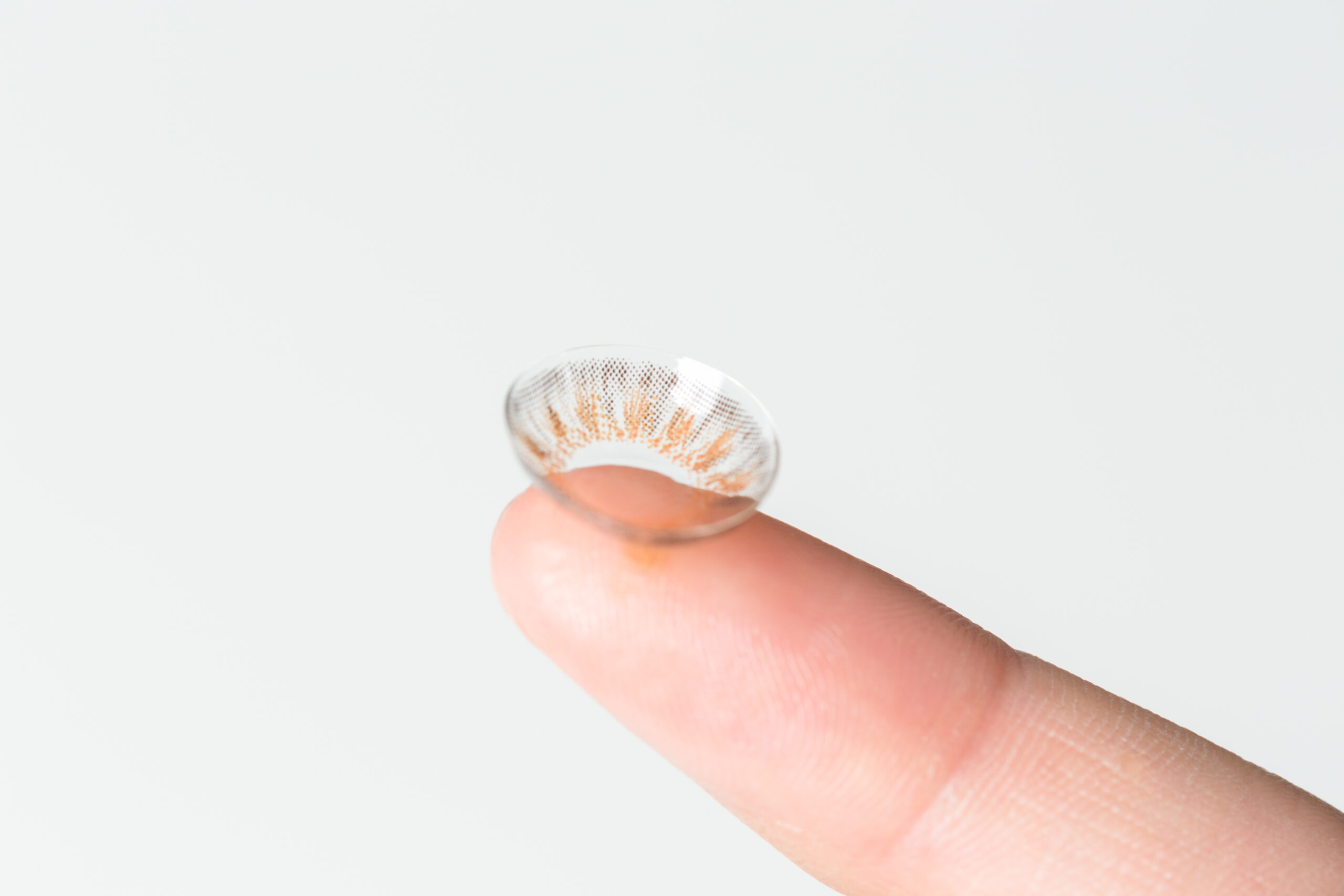
Avoiding contact lens intolerance in 2026 depends much on selecting the appropriate sort of contact lens and wearing schedule because advancements in lens technology enable more customised and eye-friendly substitutes. Better materials used to create contemporary contact lenses improve general comfort, water retention, and oxygen permeability; therefore, the correct choice is more important now than it has ever been.
For example, daily disposable lenses are growing advised as they help to reduce protein deposits, allergies, and bacterial development that might bother the eyes and cause hypersensitivity. People who are prone to allergies or dry eyes can retain a consistent tear film all day long with lenses with built-in wetting agents or water-gradient technology. Adhering exactly to the specified replacement schedule is equally important whether lenses are monthly, biweekly, or daily.
Overuse lenses outside of their intended lifetime can cause inflammation, decreased corneal oxygen distribution, and increased eye surface friction all of which aggravate pain. Professionals in eye care also emphasise lifestyle-based fitting in 2026, taking into account weather, working circumstances, and screen time while suggesting lenses. Following the correct wearing strategy which involved limiting daily wear time and abstaining from overnight usage unless expressly approved lets the eyes rest and repair, therefore lowering ocular surface tension.
Choosing lenses that satisfy particular eye health requirements and following prescribed wear and replacement schedules will significantly lower contact lens users’ risk of dryness, irritation, and long-term intolerance without compromising clear and comfortable vision.
Preventing Contact Lens Intolerance 3: Manage Wear Time & Give Eyes a Break
Among the most important techniques to prevent contact lens intolerance in 2026 are correct wear time management and regular breaks for the eyes. Over time, even the most innovative lenses can limit oxygen flow to the cornea if used too frequently, leading to dryness, irritation, and ongoing discomfort.
Preserving eye health depends on rigorously observing the advised daily wear limits given by your eye care professional, which vary according lens type, substance, and individual eye situations. Switching to eyeglasses for sporadic rests not only helps the eyes hydrate naturally but also avoids protein deposit and environmental allergen accumulation on the lens surface, hence exacerbating inflammation.
Moreover, removing lenses prior to bedtime is highly recommended unless they are expressly cleared for nighttime wear as sleeping in normal lenses greatly increases the risk of corneal hypoxia and infections. On days when dryness or pain strikes, letting the eyes rest without lenses helps to avoid the onset of continual intolerance. Especially for those who spend many hours in front of digital displays, including this habit into daily life is vital since prolonged blinking inhibition can aggravate lens discomfort and dryness.
Deliberately regulating wear time and first priority giving eye breaks can help lens users maintain ocular health as well as comfort, hence reducing the probability of intolerance and guaranteeing that contact lenses will continue to be a safe and effective vision correction option over the long run.
Preventing Contact Lens Intolerance 4: Regular Eye Exams
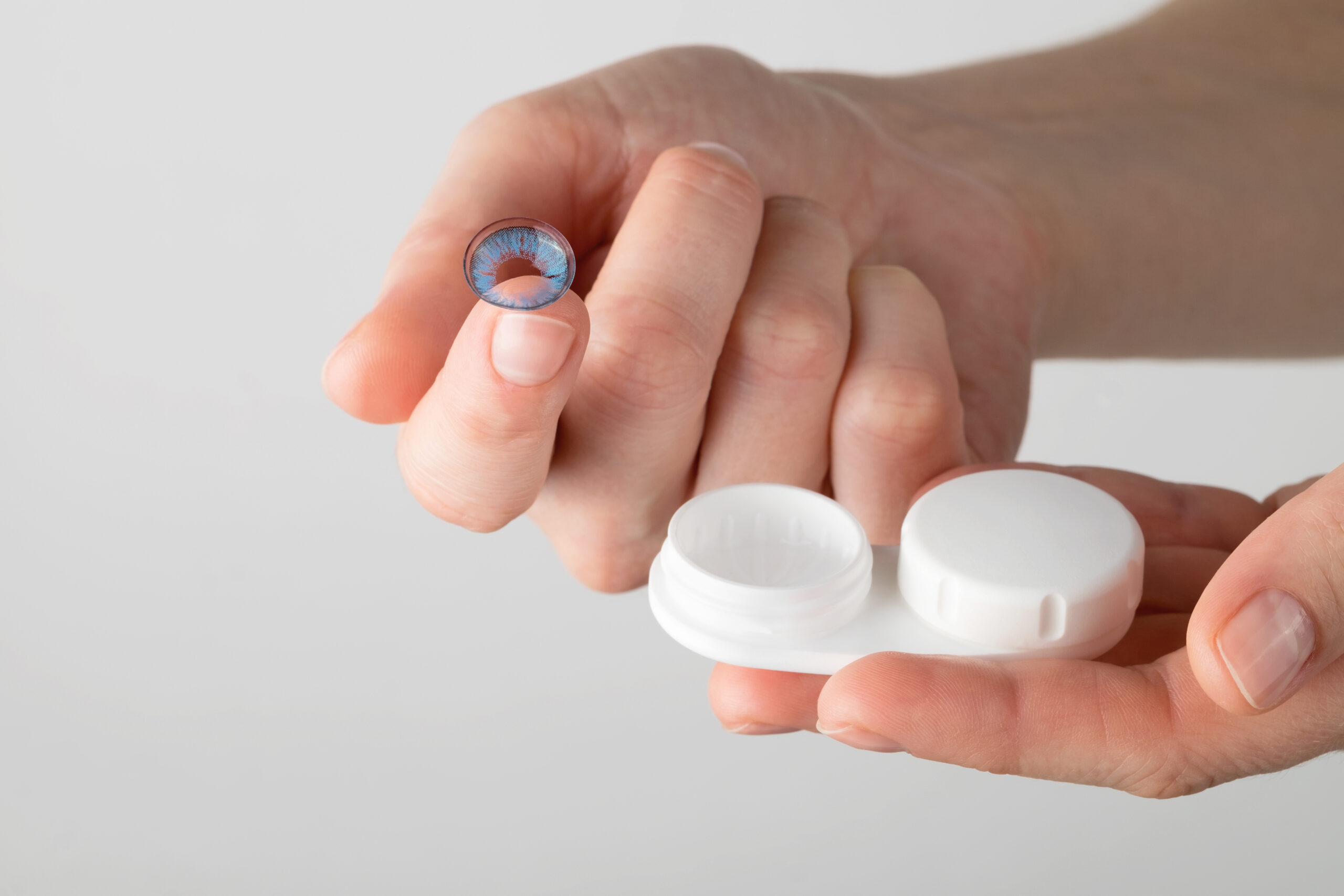
Regular eye checkups are among the most important components in avoiding contact lens pain in 2026. Unwatched, these minor changes in lens users’ eye health free of significant pain might result in redness, dryness, or even more severe consequences.
Regular eye examinations let eye care specialists evaluate the general fit and function of your contact lenses as well as the prescription’s correctness. Early signs of allergic reactions, dry eye, or corneal abnormalities the patient would miss are seen using contemporary diagnostic techniques. Early detection of these problems enables changes to lens material, design, or wear schedule, hence maintaining comfort and avoiding long-term intolerance.
Through eye exams, patients can go over their lens maintenance, get advice for appropriate cleanliness, and talk about environmental or lifestyle elements that could cause suffering including extended screen time or dry air. Early diagnosis of any emerging eye conditions including inflammation, infections, or changes in the surface health of the eye is made possible by routine eye tests before any such modifications worsen.
Prioritising eye checkups promotes a proactive approach to contact lens use, therefore improving eye health, reducing tolerance risk, and enabling customers to properly and routinely enjoy good vision and comfortable lenses.
Preventing Contact Lens Intolerance 5: Avoid Risky Behaviours
In 2026, avoiding hazardous behaviour is absolutely vital to prevent contact lens intolerance and preserve perfect eye health. Many visual issues and pain are caused from bad handling and dangerous behaviours rather than the lenses themselves.
Among the most common mistakes is exposing lenses to water. Swimming, showering, or even rinsing lenses with tap water can introduce dangerous microorganisms such as Acanthamoeba, which can induce serious, maybe vision-threatening infections. Sleeping in lenses not specifically approved for nighttime usage increases corneal oxygen delivery significantly, therefore promoting dryness, irritation, and microbial development, therefore another dangerous habit.
Similarly, using lenses beyond their recommended replacement schedule causes protein deposits, allergens, and refuse to accumulate on the lens surface, hence increasing inflammation and discomfort. Reusing old solutions or blending several cleaning agents can also harm lens hygiene, so increasing infection risk. Moreover, using cosmetic items around the eye without suitable safeguards or donning lenses might expose irritants and microbes that could trigger allergic reactions or infections.
Eye care experts draw attention in 2026 to the need of always following professional guidelines, which include scheduled lens replacement, authorised cleaning solution only, and quick lens removal in case of pain. By diligently avoiding these harmful actions, lens users may avoid bias, preserve their eyesight, and enjoy nice, safe, and effective contact lens use as part of a modern eye care regimen.

We are a company of optometrists & opticians. We focus on providing our customers with their preferred optical products to improve visual acuity and enhance their quality of life. At PopularLens, you will find niche and exclusive brands.