
 Free Shipping within SG With Order Over $80
 Lowest Price Guarantee

Contact Lens Owners Manual
Contact Lens Owners Manual: Everything You Need to Know for Healthy Eyes
Feb
Contact lens owners manual is your fundamental guide to maintaining comfortable and healthy eyes while wearing lenses. It spans everything from choosing the correct lens type and interpreting prescriptions to correct hygiene and safe handling. It helps wearers to see clearly safely every day by providing useful advice on lifestyle, comfort, and problem-solving usual problems.
Contact Lens Owners Manual 1: Understanding Your Eyes and Lenses
Knowing your eyes and lenses defines wise and comfortable contact lens usage. Selecting lenses requires knowledge of your eye’s anatomy, prescription requirements, and sensitivity as every eye varies. Every kind of soft lenses, rigid gas permeable (RGP) lenses, and hybrid lenses provides particular advantages.
Soft lenses provide comfort fitting the eye; RGP lenses provide clear vision for aberrant corneas; hybrid lenses combine comfort with acuity. Your prescription, which influences lens curve, diameter, and material, affects fit and oxygen flow to your eyes hence influencing more than only vision correction. Regular eye examinations are absolutely vital since eye health changes with time and diseases such as dry eyes, allergies, or minor visual changes can impact lens comfort and safety.
Preventing problems depends on knowledge of lens materials; some lenses have greater oxygen permeability thereby reducing the risk of inflammation or infection; others keep more water. Your lenses’ daily, biweekly, or monthly life gives information for the maintenance of your eye health. Longer than recommended lens use can raise the danger of infection, result in protein accumulation, and lower comfort.
Learning the right handling and inserting methods is just as crucial in order to avoid inadvertently harming your eyes or the lens. Spending time to know your eyes and the ideal lenses for them sets the stage for lifelong comfort, optimal vision, and the avoidance of frequent contact lens problems. This information enables you to live every day with good eye cleanliness and make wise decisions.
Contact Lens Owners Manual 2: Lens Hygiene and Handling

Good eyesight and safe contact lens use depend much on right lens maintenance. Starting with clean hands before touching your lenses helps you to avoid transporting dust, oils, and bacteria to your eyes by way of appropriate handwashing and drying.
Maintain your technique steady as inserting or removing lenses to avoid their breaking or falling. Use solely the suggested sterilising solution for reusable lenses; never substitute saliva or water as these might expose dangerous germs. Frequent lens case cleaning — preferably every time you change your solution helps prevent biofilm development, which might include microorganisms. Every three months, change it even if your lens housing looks to be flawless.
Check before every application on the lens surface itself for tears, trash, or debris because broken lenses might make the eye worse and increase the infection possibility. Only sleep in lenses designed exclusively for extended wear; never wear lenses beyond their suggested replacement schedule. If your vision is blurry, if your eyes are red or uncomfortable, remove the lens at once and consult your eye physician. Remember also environmental elements such smoke, dust, and pool water that could harm lens clarity.
Strict handling techniques and correct cleaning schedules not only reduce your risk of illnesses like keratitis but also increase the comfort and lifetime of your lenses, therefore assuring that your vision is sharp and your eyes are healthy. Even if little efforts could have long-term vision advantages, continuous and meticulous lens cleaning is absolutely crucial.
Contact Lens Owners Manual 3: Wearing Schedules and Lens Lifespan
Preserving excellent vision and good eyes depends on knowledge of contact lens appropriate wear schedule and lifetime. Among several types of lenses — daily disposables, bi-weekly, monthly, and extended wear, each has particular directions meant to lower the risk of eye strain, dry eyes, and infection.
Single-use daily disposable lenses offer great cleanliness and simplicity; therefore, they work best for those with sensitive eyes or hectic schedules. Bi-weekly and monthly lenses need thorough cleaning, sterilising, and correct storage to avoid pollution even if they are inexpensive. Only under competent guidance should long-wear lenses be used since they carry more problems; they can be worn overnight.
Knowing the lens life is also quite crucial; even the strongest lenses have a suggested replacement schedule; wearing them beyond this time can cause protein buildup, diminished oxygen supply, and pain. Wearers must set replacement reminders, never exceed the suggested time range, and watch their lens use. Early signs of irritation, redness, or blurry eyesight should also be recorded to help avoid permanent consequences.
Moreover affecting eye health and lens comfort and safety are lifestyle decisions including hydration, screen time, and environmental elements. Contact lens users can guarantee good vision for years to come, reduce problems, and maximise clear vision by adhering to the advised wearing schedule and respecting lens lifetime restrictions.
Contact Lens Owners Manual 4: Eye Health Maintenance
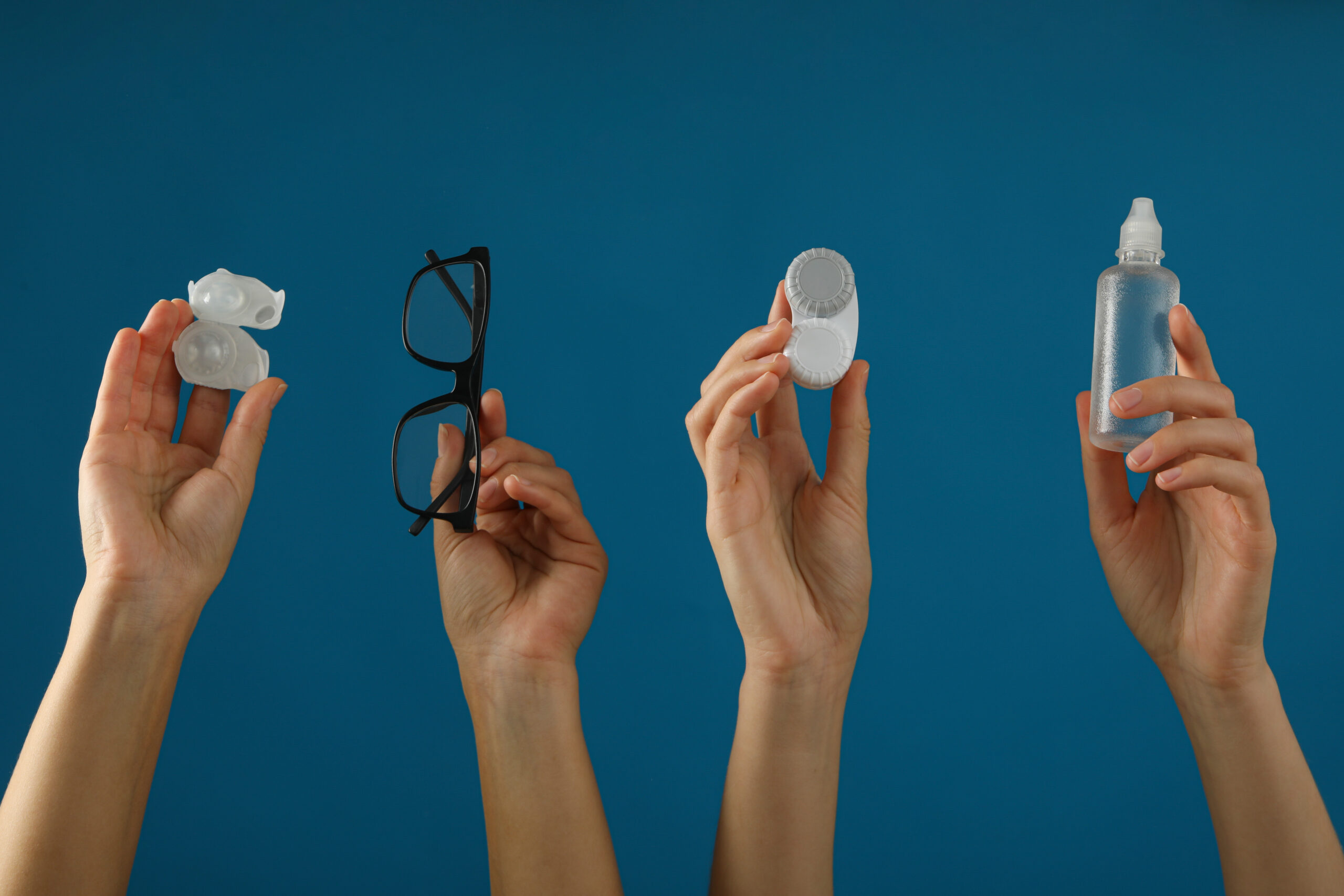
Good eye health encourages safe and delightful use of contact lenses; thus every user of lenses should be informed of daily eye care routines. Good hand washing reduces the possibility of infection before lens change; thereafter suggested drugs are utilised to thoroughly disinfect and sterilise reusable lenses.
Early irritability, redness, dryness, or fuzzy vision should be closely monitored since they might indicate abuse, improper fit, or even diseases requiring immediate ophthalmologist medical care. Proper hydration is another extremely vital component because dry eyes could get worse and degrade lens comfort; therefore, have enough water and use as needed appropriate lubricating eye drops designed for contact lenses.
Normal screen breaks ensure maximum visual acuity and comfort; eyeglasses changed to suit your prescription and lifestyle assist to prevent digital eye strain. Although dietary intake and overall health are considered, antioxidants, vitamins A and C, and omega-3 fatty acids support corneal and retinal integrity. Wearing glasses in windy, dusty, or sun-exposed locations lowers injury and inflammation; so, seasonal and environmental effects should not be disregarded.
Early warning signs of issues, modified prescriptions, and eye health monitoring all need for everyone, including people without symptoms, regular eye exams. By combining good lens care, careful observation, hydration, diet, and regular expert examinations, contact lens users may keep their eye health, preserve their clear eyesight, and gain from the long-term advantages of safe lens use.
Contact Lens Owners Manual 5: Lifestyle and Comfort Tips
When it comes to contact lenses for preserving happy, good eyes, lifestyle and comfort are really crucial. Choosing glasses that fit your everyday activities can be all-transforming whether you are very active, work long hours at a desk, or love sporadic cosmetic changes.
Those who live an active lifestyle would benefit from lenses that stay stable under movement and fight dehydration as they help to reduce nuisance during outside pursuits or athletic events. For those who spend many hours near screens or in air-conditioned environments, lenses with great moisture retention should come first or maybe rewetting drops should be used to maintain comfort. The materials of the lenses are also important; soft lenses tend to adjust well to shifting prescriptions and provide flexibility for everyday wear while silicone hydrogel lenses let more oxygen to reach the eyes, therefore improving comfort for extended usage.
Environmental elements including regular smoke, pollution, or dry settings should guide lens choices and care routines. Additionally affecting lifestyle decisions are makeup, swimming, and travel; lenses should be inserted before makeup application to prevent contamination and disposable lenses or goggles are advised for swimming. Travel may call for more lens cases, solution, and spare glasses to offer ongoing comfort.
By matching lens selection and maintenance practices to their lifestyle, wearers may alleviate dryness, irritation, weariness, so ensuring that lenses improve everyday life rather of complicating it. Achieving both comfort and long-term eye health depends mostly on knowing personal needs, selecting suitable materials, and maintaining regular hygiene habits.

We are a company of optometrists & opticians. We focus on providing our customers with their preferred optical products to improve visual acuity and enhance their quality of life. At PopularLens, you will find niche and exclusive brands.