
 Free Shipping within SG With Order Over $80
 Lowest Price Guarantee

Listen To Your Eyes
Listen to Your Eyes: Red Flags During Your Contact Lens Transition

Dec
Listen to your eyes when switching to contact lenses as little signals might show problems before they turn severe. Persistent dryness, redness, or pain are red flags suggesting your lenses could not fit appropriately or that your eyes need a vacation. Paying attention early guarantees a safer, more comfortable adaptation and helps avoid eye problems over time.
Listen To Your Eyes 1: Persistent Discomfort or Pain
Among the most apparent warning signs during your contact lens alteration, persistent agony or pain should never be dismissed. Though some awareness is typical in the first several days of contact lens use, unrelenting discomfort points to an issue.
This pain could present as burning, stinging, itch, or the ongoing sense of an alien object trapped in the eye even following lens extraction and replacement. Frequently, such symptoms indicate problems including inappropriate lens composition, inadequate oxygen reaching the cornea, or incorrect lens fit. Dryness is another typical offender especially for those new to contact lenses or increasing their wear hours since contact lenses can interfere with the typical tear film.
Microscopic abrasions on the lens surface, protein build-up, or sensitivity to lens cleaning chemicals may cause chronic discomfort sometimes. Regular lens usage and avoidance of these warning signs might result in more major issues including inflammation or infection. Listening to your eyes is realising that throughout the day contact lenses have to appear pleasant and nearly invisible.
If pain worsens over time, does not get better with lubricating drops, or is followed by redness or fuzzy vision, it is a clear warning to stop wearing the lenses and get professional attention. Early pain control guarantees better certain, more fluid movement and protects long-term eye health.
Listen To Your Eyes 2: Excessive Redness
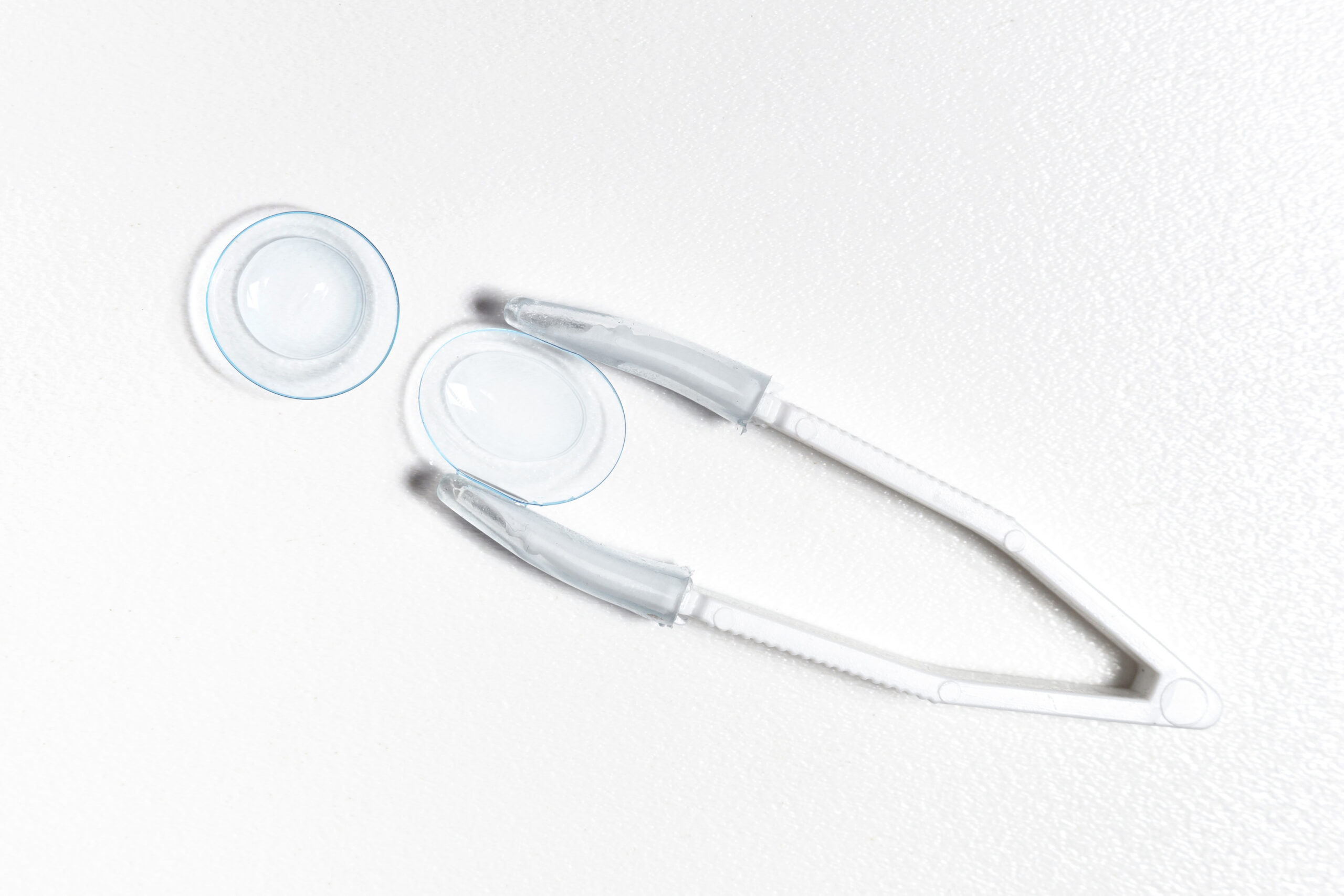
Excessive redness is one of the most important warnings to watch for while you are switching to contact lenses since it is how your eyes signal that something is not quite right. Though some first-time wearers may have some small redness during the first acclimation phase, never ignore constant or growing redness.
This might imply that the lenses are not supplying the eyes with sufficient oxygen, a typical issue with poor materials or prolonged use over the recommended hours. Wrong lens fit can also set off redness, since it causes friction with the ocular surface and either irritation or inflammation. In other cases, it may be caused by dryness, whereby insufficient tear film causes the lenses to contact the cornea hence giving the eyes a weary and bloodshot appearance.
Another important consideration to note is sensitivity to lens maintenance solutions; some preservatives can irritate the eyes and cause prolonged redness even after lenses are taken out. Environmental factors including continuous screen use, dust exposure, and air conditioning may exacerbate redness during the metamorphosis stage. Excessive redness qualifies as a major red alert if it doesn’t pass soon following contact removal or keeps showing regularly every time the contacts are worn.
Left alone, this can increase the risk of more serious issues including corneal damage or infections. Hearing your eyes means seeing redness as a trigger to cut wear duration, reevaluate lens cleanliness, or see an optometrist to guarantee your lenses truly foster long-term eye health and comfort.
Listen To Your Eyes 3: Persistent Blurry or Fluctuating Vision
When changing to contact lenses, one of the most important early warning indications to look for is persistent hazy or fluctuating eyesight since it might suggest underlying issues not to be ignored. While some minor changes are expected as contacts are first applied, poor or erratic vision after blinking suggests flaws in prescription correctness, lens fit, or eye health.
For instance, lenses that do not precisely match the corneal curvature could drift somewhat with each blink and produce sporadic blurring. In the same way, preventing the eyes from precisely focusing whether too strong, too weak, or with the wrong curvature can lead to shifting vision all day long. Lens clarity is also critical; dust, protein build-up, or even surface scratches can distort light entering the eye, creating a haze or blur.
Another frequently found source of dry eyes is insufficient tear film, which causes the lenses to adhere or bounce randomly so momentarily degrading vision. Separating passing adjustment uncertainty usually disappearing after a short time from ongoing issues either do not get better or worsen is very important. Ignoring these warning signals can cause eye strain, migraines, and even more serious eye illnesses like corneal infection or irritation.
Essential actions include frequent eyesight exams throughout the adaptation stage, making certain spectacles are clean, utilising lubricating drops as advised, and finding an eye care specialist at the very first indications of persistent fog. Early diagnosis of difficulties and a more safe, more comfortable contact lens experience can be ensured by observing your eyes.
Listen To Your Eyes 4: Light Sensitivity or Glare
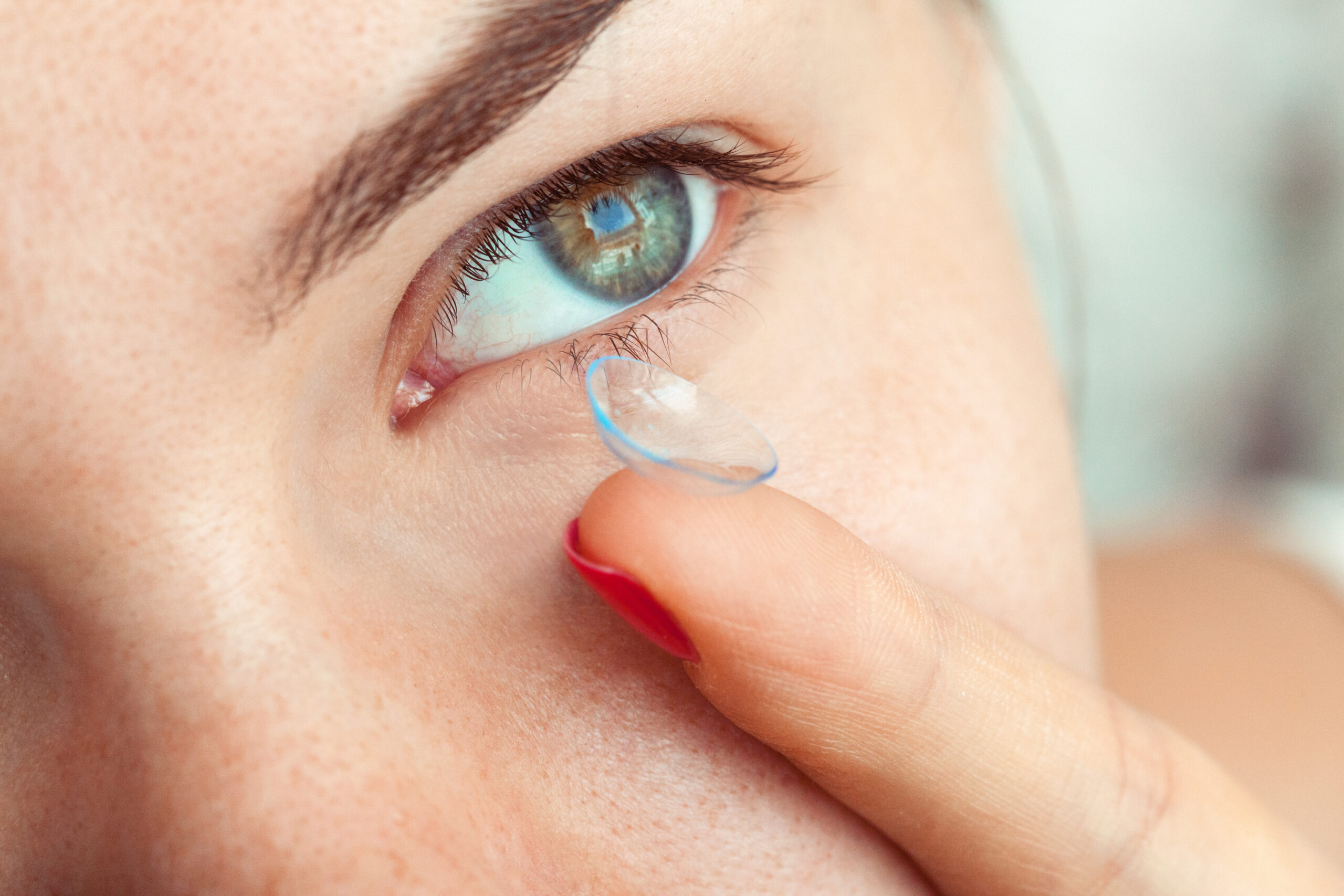
Light sensitivity or glare is one of the red flags sometimes ignored during the switch to contact lenses. Many new wearers believe that some discomfort from bright light is usual, but continuous photophobia or visible glare halos can indicate either the lenses are not properly fitted or the eyes are under tension.
Poor lens alignment on the cornea, dryness of the ocular surface, or the lens material itself not letting enough oxygen to reach the eye may cause this symptom. People going through these symptoms may see problems driving at night, pain beneath fluorescent lights, or visual halos around lights that before went undetected. Small light sensitivity can affect daily life and general comfort; if ignored, it may result in additional problems including chronic dryness, corneal irritation, or greater redness.
Between the short adjustment time most new lens users go through and continuous visual abnormalities, one must differentiate. While the eyes adapt, transient glare or light sensitivity that goes down after a brief period of wear is typically typical; continuing or worsening symptoms should be seen as a warning indicator. Proper hydration of the lenses and eyes with preservative-free rewetting drops helps to reduce light sensitivity as does making sure the lenses are properly prescribed and fitted.
Early treatment guarantees a more seamless, safer contact lens transition and stops more severe consequences, hence seeing an eye care expert quickly is essential if light sensitivity or glare persists. Maintaining eye health and comfort throughout this transition period requires listening to your eyes and treating these faint signals.
Listen To Your Eyes 5: Feeling Like Lenses Don’t Stay In Place
The sense that your lenses do not remain in situ is among the most obvious indications of warning seen throughout the transition to contact lenses. This sensation can manifest as lenses falling, sliding, or even moving off-centre, therefore aggravating discomfort and irritation as well as limiting visual clarity.
Good-fitting lenses should rest easily on your eye without constant tweaking; thus, any continuous movement usually indicates that the lens might not suit the form or curvature of your eye. This issue could be caused by an incorrect lens base curve, an inappropriate lens diameter, or even over time modifications in the form of your cornea.
Moreover aggravating lens movement is dryness; low tear quality or insufficient tear production can hamper the natural adhesion between the lens and your eye, so resulting in slippage or flaring. Lenses can feel wobbly as well from environmental factors like wind, dry air, or prolonged screen time. Movement could also originate from improper lens care including placing in lenses with little bit of debris or misalignment. Never ignore continuous lens stability issues since forcing a poorly fitted lens could result in irritation, redness, or perhaps corneal abrasions.
Consulting your eye care professional is essential to modify lens settings or research other lens materials or forms ensuring a safe, pleasant fit. Feeling like your lenses don’t stay in place is more than just a little irritation; it’s a clear indicator from your eyes that changes are necessary to guarantee both safety and comfort during your contact lens shift.

We are a company of optometrists & opticians. We focus on providing our customers with their preferred optical products to improve visual acuity and enhance their quality of life. At PopularLens, you will find niche and exclusive brands.