
 Free Shipping within SG With Order Over $80
 Lowest Price Guarantee
Practicing Safe Sight
Practicing Safe Sight: The Don’ts of Buying Contact Lenses
Mar
Practicing safe sight starts with realising that purchasing contact lenses calls for more than just picking a cheap or practical one. Avoiding typical errors such buying from questionable sources, missing professional eye exams, or sharing lenses with others helps to preserve long-term eye health. Contact lens users may have crisp vision while minimising the risk of infections and consequences by choosing wisely and giving safety first priority.
Practicing Safe Sight 1: Don’t Buy Contact Lenses Without an Eye Exam
One of the most important rules when practicing safe sight is to never buy contact lenses without first undergoing a comprehensive eye examination. Many people think that buying contact lenses online or from actual retailers is easy if one already knows their eyeglasses prescription.
Contact lenses, even so, are seen as medical devices and call for a specific prescription suited for lens use. During an eye test, an eye care specialist looks over more than your visual acuity. They assist you in selecting the best lens material and size for comfortable wear by measuring the curve of your cornea, assessing the overall condition of your eyes, and Without these measurements, lenses could fit too tightly or too loosely, which could lead to irritation, dryness, diminished vision, or even serious eye problems.
Furthermore detecting underlying illnesses such dry eyes, allergies, or infections that would make contact lens wear uncomfortable or dangerous, an eye examination can help. Going through this stage opens the possibility of wearing improper glasses for your eye problem, possibly resulting in lasting cornea damage. Depending on your lifestyle, eye care specialists may also propose the best type of lenses: daily disposables for convenience, lenses designed for sensitive eyes, or solutions with higher oxygen permeability for better eye health.
Regular eye examinations also help to ensure that your prescription remains up to date as eyesight fluctuates with time. Although purchasing contact lenses first seems easy or money-saving, eventually it might harm your vision and eye health in the long run. The first cautious step toward responsible contact lens use is to make a thorough examination first.
Practicing Safe Sight 2: Don’t Ignore the Importance of a Contact Lens Fitting
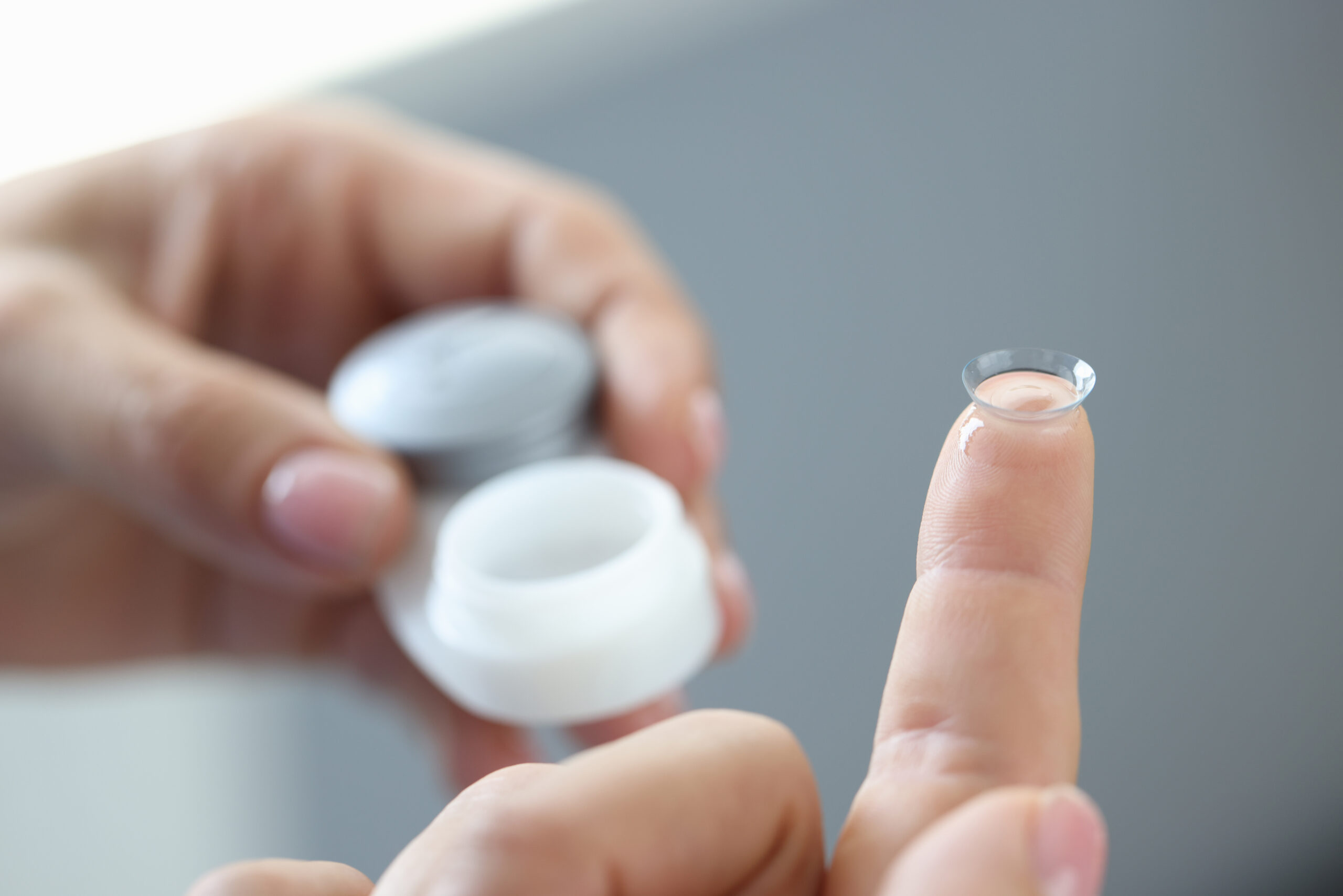
One of the most frequently made errors customers make when looking for contact lenses is failing to grasp the importance of a fitting. Many believe they might just buy lenses online and start using them right away if they already have glasses prescription.
Since they sit right on the surface of the eye, contact lenses have to fit your eyes’ particular curvature, size, and health state. An optometrist will inspect essential features during a professional fitting including the tear film quality, base curve, diameter, and general eye health. Lenses could fit too firmly or too loosely without this evaluation, causing pain, inflammation, dry eyes, or diminished vision.
Poorly fitted lenses can also cut off oxygen to the cornea, therefore raising the possibility of erythema, inflammation, or even infections among many other issues. Glasses are required since more major occurrences might cause permanent injury to eye tissues or corneal abrasions. Furthermore assisting eye care specialists in prescribing the most suitable lens type based on your lifestyle and visual requirements such as daily disposables, monthly lenses, or lenses developed for sensitive or dry eyes — a contact lens fitting appointment helps.
Usually, before purchasing the lenses, the fitting process includes a trial period during which you can evaluate their appearance and performance. This assures best vision correction, comfort, and safety. Though skipping a contact lens fitting may appear like a small cut, doing so could finally impair eye health and clarity of vision.
Practicing Safe Sight 3: Don’t Purchase From Unverified or Unauthorised Sellers
Buying contact lenses from questionable or unapproved vendors is an error that could significantly damage eye health. Purchasing lenses from untrustworthy sources raises the chance of getting imitation, expired, or badly made goods; they are medical devices meant to satisfy rigorous safety and quality requirements.
One important factor is product legitimacy. Especially those on social media or informal internet sites, unverified merchants can provide lenses that appear real but are really forged or made without adequate government control. These lenses could be created from poor materials restricting oxygen flow to the eyes, hence causing irritation, dryness, or even more severe diseases like corneal infections.
Storage and handling also become quite significant. While unauthorised merchants could store lenses inappropriately, exposing them to heat, pollution, or damage, authorised optical merchants and qualified optometrists follow strict storage protocols to keep sterility. Furthermore guaranteeing that clients obtain lenses appropriate for their eye form and eyesight, reputable merchants usually demand a current prescription before offering contact lenses.
Often prioritising sales over safety, sellers who overlook this stage. Buyers should also be wary of transactions that seem too good to be true, as unusually low prices can signal counterfeit or expired goods. To engage in safe sight, customers should always buy contact lenses from authorised optical stores, well-known internet vendors, or eye care experts capable of ensuring authenticity and appropriate handling. Selecting reliable sources not only helps guarantee long-term eye comfort and safety but also keeps the lenses’ quality intact.
Practicing Safe Sight 4: Don’t Choose Lenses Based Only on Price
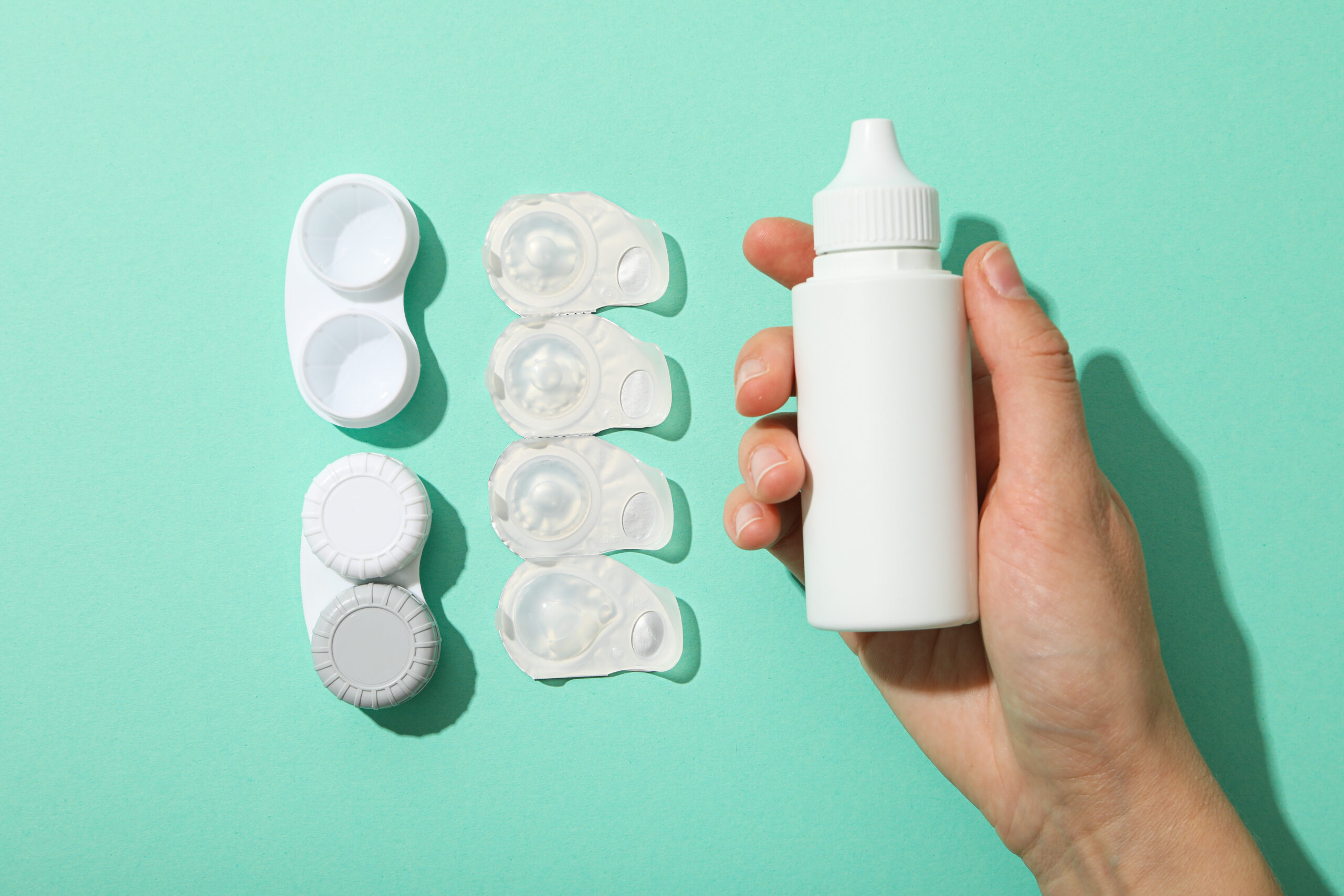
Given the wealth of online offers and promotions, refraining from selecting the least expensive option when purchasing contact lenses can be challenging. Still, putting price ahead of quality might damage your eyes’ health. Medical devices called contact lenses should satisfy exacting quality and safety standards by sitting directly on the surface of your eyes.
Some instances include questionable sources that might be fake, out of date, or created with poor components produce very affordable lenses. Enough oxygen permeability in these lenses helps to maintain corneal health and prevents dryness, irritation, or infections. Less expensive lenses, moreover, would not have the same degree of comfort or lifespan as well-known businesses using state-of-the-art materials and technology.
Poorly made lenses can also cause fuzzy eyesight or incorrect fit, both of which can result in eye strain and lasting effects if not treated. Although extremely inexpensive products from unproven merchants may not satisfy these standards, good businesses usually ensure that particular contact lenses are kept, handled, and packaged properly. Though cost is certainly a major consideration, safety, honesty, and expert counsel should always take front stage.
Buyers should seek for lenses recommended by an eye care professional found in authorised optical stores or certified internet merchants rather than just on price. Investing in quality contact lenses assures more comfort during the day, shields your eyesight, and reduces your long-term risk of avoidable ocular conditions. When it comes to contact lenses, practicing safe sight actually means understanding that most cheap option is not always the safest.
Practicing Safe Sight 5: Don’t Share Contact Lenses With Others
Another important rule to abide by when establishing safe contact lens habits is never to share lenses with anybody. Sharing contact lenses exposes your eyes to dangerous bacteria, viruses, and other microbes especially with cosmetic or coloured lenses even if they appear harmless.
Shared lenses among users might bring in strange bacteria the eye is not ready to fight; every eye has its own natural flora. This much raises the likelihood of eye infections including conjunctivitis, corneal ulcers, and other serious problems threatening long-term vision. Medical devices called contact lenses are exactly prescribed and tailored to match a person’s visual demands, shape, and size. Your lenses wont be a good fit for another person’s eyes, thus causing discomfort, corneal scars, or inflammation.
Particularly if the lenses are not cleaned or stored appropriately before being given to someone else, sharing them might also harm good hygiene. Cosmetic lenses are especially concerning as they are frequently exchanged casually between friends for events or pictures notwithstanding the possible hazards. Many people fail to understand that even short use of someone else’s glasses can expose the eye to permanent damage-causing contaminants.
Always use contact lenses prescribed just for you and ensure they are handled with appropriate hygiene standards if you want to protect your vision. Encouragement of responsible purchasing of contact lenses helps preserve excellent, clear eyesight and avoid unnecessary risks to your eyes.

We are a company of optometrists & opticians. We focus on providing our customers with their preferred optical products to improve visual acuity and enhance their quality of life. At PopularLens, you will find niche and exclusive brands.