
 Free Shipping within SG With Order Over $80
 Lowest Price Guarantee
Vision Evolution
Vision Evolution: Key Indicators It’s Time to Upgrade To Lens
Apr
Vision evolution alerts when your eyes and way of life call for lens improvement. Obvious signs that your current prescription is obsolete include frequent headaches, eye tiredness, and fuzzy vision. Paying attention to these symptoms guarantees clearer vision, more comfort, and better daily living sight.
Vision Evolution By Upgrading To Lenses
Declining Visual Clarity
Among the most revealing signs along the path of visual development is fading visual clarity; this shows it might be time for lens change. Usually starting slowly, this shift becomes visible as a little blur when reading small writing, trouble focusing on distant objects, or the necessity of maintaining displays at various distances for visibility.
Over time, these little annoyances can become chronic visual disturbances impacting daily comfort and output. Especially if you spend a lot of time in dim lighting or use screens, you could find that your eyes require more time to switch between near and far things or that brightness varies all day.
Such discrepancies indicate that your present lenses no longer meet your visual demands, possibly because of slow prescription changes or more stress from modern life. Many times, individuals inadvertently create up by closing their eyes or tightening them, therefore aggravating exhaustion and perhaps activating headaches. Environmental elements like brightness, digital exposure, and aging further accelerate this deterioration; hence, the performance of older lens options is reduced.
Improved lenses can greatly improve visual clarity and comfort whether they have anti-reflective coatings, modified prescriptions, or blue-light filters. Early identification of worsening visual acuity guarantees improved eye health as well as improved vision, so enabling your vision support to go along with your life requirements.
Increased Eye Strain & Fatigue
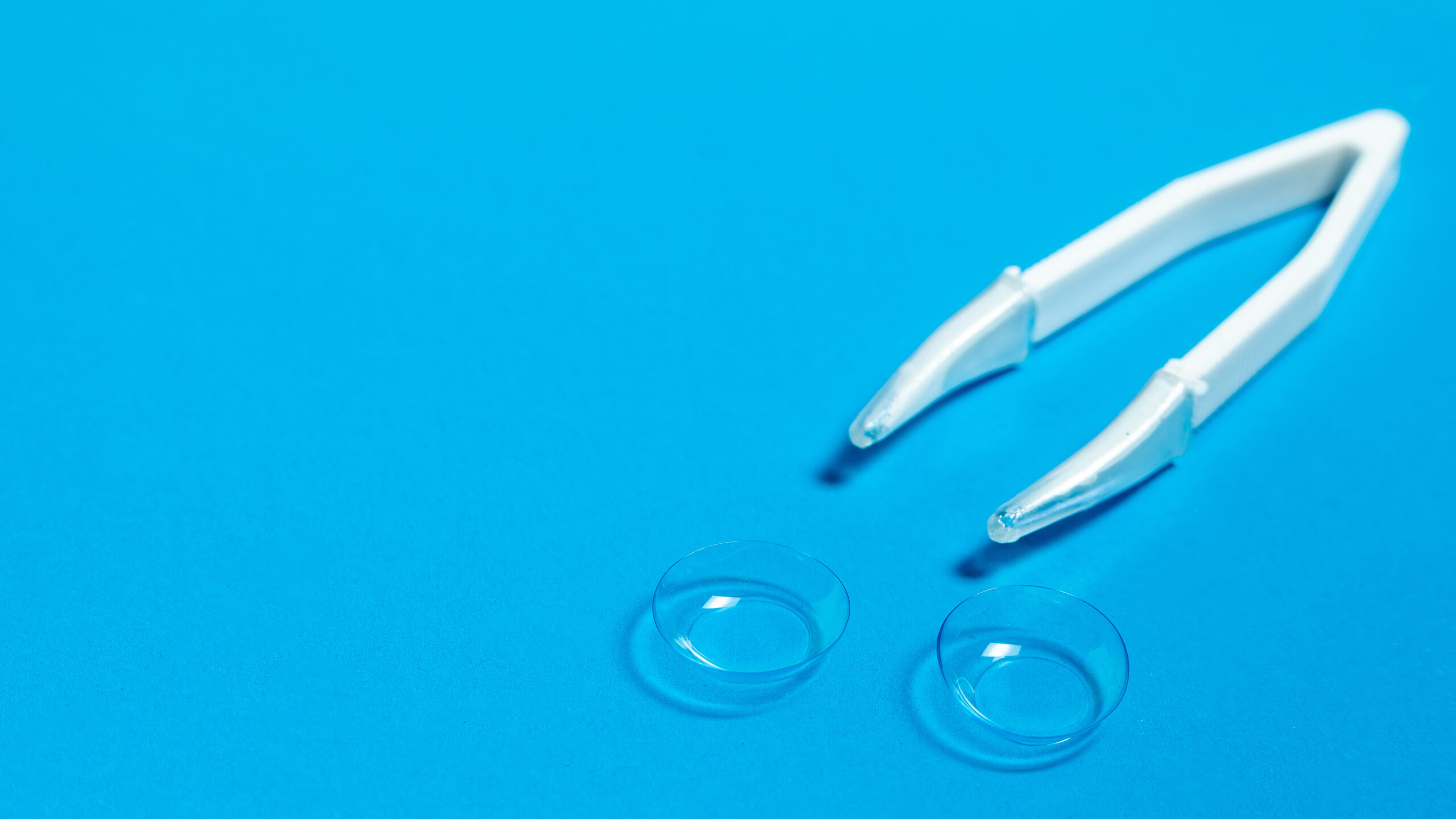
Rising eye fatigue and strain are among the most obvious indications that it is time to replace your glasses. Old lenses may not give the necessary assistance as eyesight naturally changes over time, thus your eyes must work more challenging to focus.
Burning sensations after reading, lengthy screen time, or even regular daily chores can all be indications of this stress as can exhaustion, dryness, or both. Some individuals may have thick, teary, or angry eyes after only a little use of tablets, cellphones, or PCs. Among other secondary consequences, tiredness spreads beyond the eyes and may cause headaches, attentiveness problems, and general ocular irritation.
Modern life, where digital displays manage work and pleasure, older glasses make digital eye strain worse therefore creating a pain cycle that lowers productivity and quality of life. Having to hold reading material farther apart or continually blinking to refocus even minor modifications show your existing glasses do not meet your eyesight requirements.
You may greatly minimise eye strain and restore vision comfort by switching to lenses that match your most latest prescription or by incorporating sophisticated features like blue-light protection, moisture-retaining technology, or progressive designs. Taking action and knowing these symptoms is a crucial first step in vision development since doing so guarantees your eyes are adequately and effectively supported, hence maintaining lifelong eye health as your vision changes over time.
Discomfort or Irritation with Lenses
Among the most obvious indications that your vision correction may need to be entirely changed is discomfort or irritability while using lenses. Dry, itchy, or uncomfortable lenses could indicate that your eye’s needs are not met by your current prescription or that the lens material is unsuitable for your lifestyle.
Over time, contact lenses collect proteins, deposits, and environmental debris that could restrict oxygen flow to the cornea, therefore causing itching, pain, even a gritty sensation. Similarly, scratches or wear on eyeglass lenses can distort vision and contribute to eye strain, forcing the eyes to overcompensate and creating a sense of fatigue.
Though some soreness is sometimes shrugged off as momentary, persistent pain could be a sign that the glasses are out of date or incorrectly put. While some treatments on spectacles help to cut glare and increase clarity, contemporary lens designs like silicone hydrogel contacts or lenses with moisture-locking features aim to maximise comfort and minimise dryness. Furthermore, changes in vision like the beginning of presbyopia or changes in astigmatism can render formerly comfortable lenses unsuitable, hence generating slight but constant pain.
Ignoring these signals would compromise daily comfort and eye health, therefore exacerbating more severe conditions including chronic dryness or corneal abrasions. You should note how your eyes feel throughout extended periods of reading, research, or outside activity especially. Swapping lenses best for your way of life and vision demands at present can help to improve vision, restore comfort, and promote ongoing eye health.
Lifestyle or Vision Changes
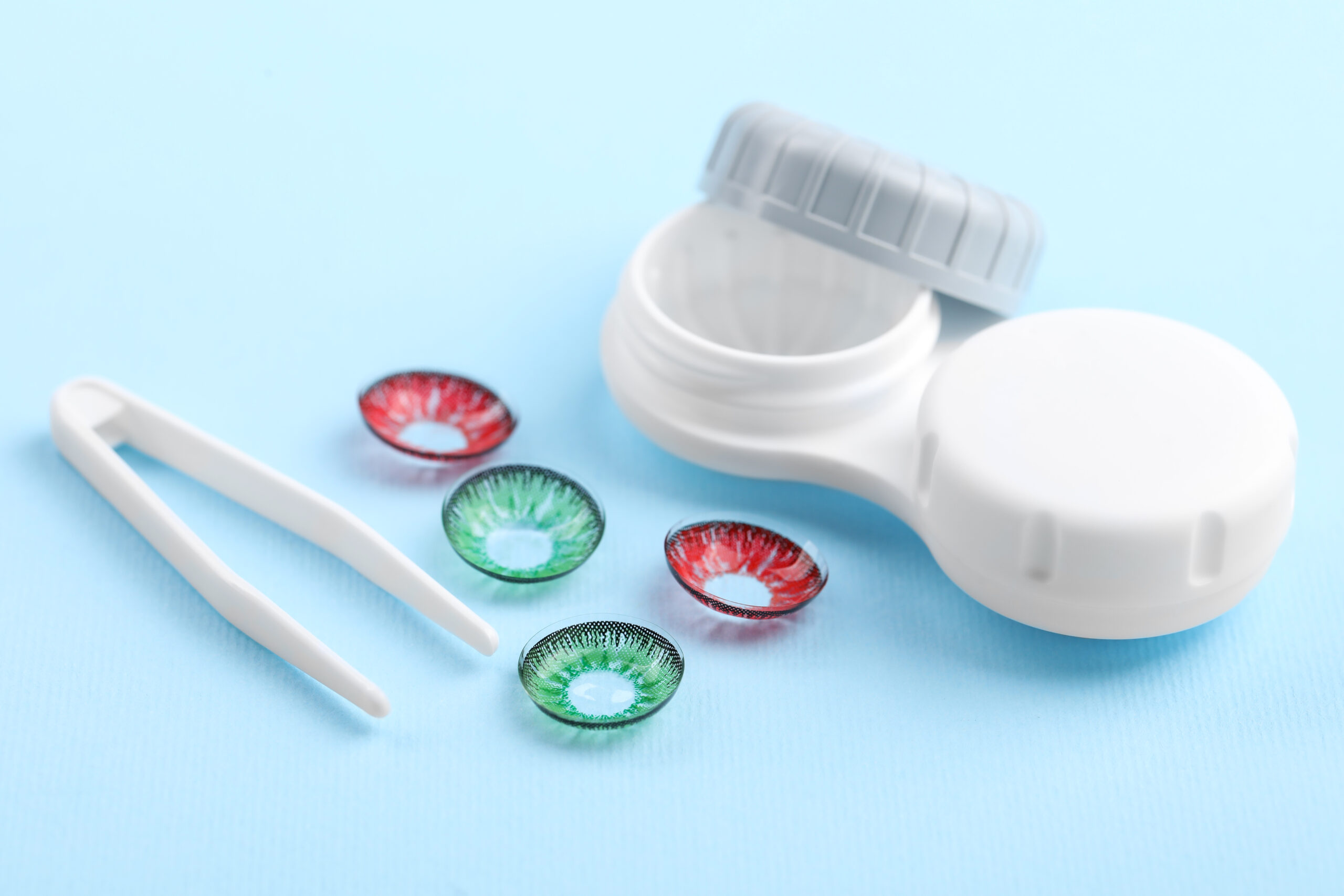
Among the most obvious indications that your lenses need to be replaced are changes in lifestyle and vision, as they mirror the dynamic nature of both everyday habits and eye health. Natural aging-related vision changes — presbyopia, astigmatism, or increasing nearsightedness or farsightedness among others can change how current glasses correct vision, hence reducing their efficacy as formerly.
New lenses might also indicate a demand driven by changing lifestyle choices beyond age-related changes. More screen time from computers, cellphones, and tablets puts special stress on the eyes, often resulting in digital eye strain, tiredness, and dryness that older lenses might not fully correct. Similarly, adjustments in work habits such more evening driving or more exposure to strong sunshine may call for lenses with anti-glare coatings, blue-light filtration, or better UV protection made possible by current technologies.
Entertainment like swimming, outdoor activities, or daily travel might need lenses with more durability, moisture retention, or adaptability to different light levels. Additionally impacting your eyes’ reaction to current medicines are variations in your overall health, including blood sugar fluctuations or the start of eye ailments like dry-eye syndrome.
Headaches, reduced productivity, harmed visual acuity, and suffering may result from a failure to explain these changes in lifestyle and vision. Better lenses in response to these elements ensure not just clearer eyesight but also increased comfort, eye health, and alignment with your current daily needs hence transforming it a proactive move in the continual evolution of individual visual treatment.
Visible Lens Wear & Tear
Visible wear and tear, which directly impacts eye comfort and vision, is among the clearest signals it’s time to change your spectacles. Over years, lenses be it contacts or spectacles — get scratches, faults, and clouding that no amount of cleaning can fully eliminate.
Though initially minor, these faults can spread light, decrease contrast, and create delicate visual distortions that tire the eyes. Visual clarity is also compromised by clouds or coloured lenses, which thereby complicate driving, screen usage, and reading. For contact lens wearers, deposits from proteins, fats, or environmental particles can build up on the lens surface causing discomfort, irritation, or inflammation.
Wear and tear also damages specialised coatings like anti-reflective or blue-light filtration layers, therefore reducing the general protection and performance modern lenses offer. Ignoring these signals especially during tasks requiring sustained attention can accelerate eye fatigue and headaches, therefore affecting daily comfort as well. Beyond bodily damage, lens performance changes might mean your prescription is no longer appropriate; hence, combine wear effects with changing eyesight needs.
Upgrading to fresh lenses helps to undo both of these structural and optical changes, hence regaining clarity, comfort, and safety. Knowing that evident lens wear is a primary sign of eye development guarantees your eyes receive most support, so lowering tension and enhancing general visual experience in daily living.

We are a company of optometrists & opticians. We focus on providing our customers with their preferred optical products to improve visual acuity and enhance their quality of life. At PopularLens, you will find niche and exclusive brands.