
 Free Shipping within SG With Order Over $80
 Lowest Price Guarantee

Contact Lens Hidden Culprit
Contact Lens Hidden Culprits: Surprising Environmental Factors Drying Out Your Contacts
Apr
Contact lens hidden culprits can exist in many forms, from air-conditioned rooms to digital displays and polluted outdoor air. These little elements cause your tear film to be disturbed and speed moisture loss, making lenses uncomfortable and dry. Understanding these stimuli is essential for preserving general eye health and sustaining long-lasting comfort.
Contact Lens Hidden Culprit To Be Weary Of
1. Air Conditioning & Indoor Climate
Among the most forgotten but important causes of contact lens dryness, especially in settings with continuous cool air circulation, are air conditioning and indoor temperature. Long exposure to air-conditioned areas whether you are at an office, a shopping mall, or a car substantially lowers ambient humidity levels, which in turn speeds the evaporation of your natural tear film.
Maintaining contact lenses moist and comfortable all day depends on this tear film, which helps to avoid dry, tight, and irritating lenses if it disappears too quickly. Direct exposure to air vents worsens the problem as the constant airflow accelerates the removal of moisture from the surface of the eye. This can cause symptoms such as persistent gritty feeling, reddening, and hazy eyesight over time.
Furthermore compounding the pain for contact lens users, indoor settings often lack good ventilation, therefore the air gets recirculated and gets dryer and drier. Ongoing dryness can be caused even by minor influences including sleeping in an air-conditioned room overnight or sitting near a fan.
Hence, it’s very important to know how your eyes are influenced by indoor temperature. Maintaining lens comfort in air-conditioned environments depends on simple changes such repositioning your seat away from vents, adding a humidifier, or taking regular breaks to rest your eyes.
2. Digital Screen Exposure
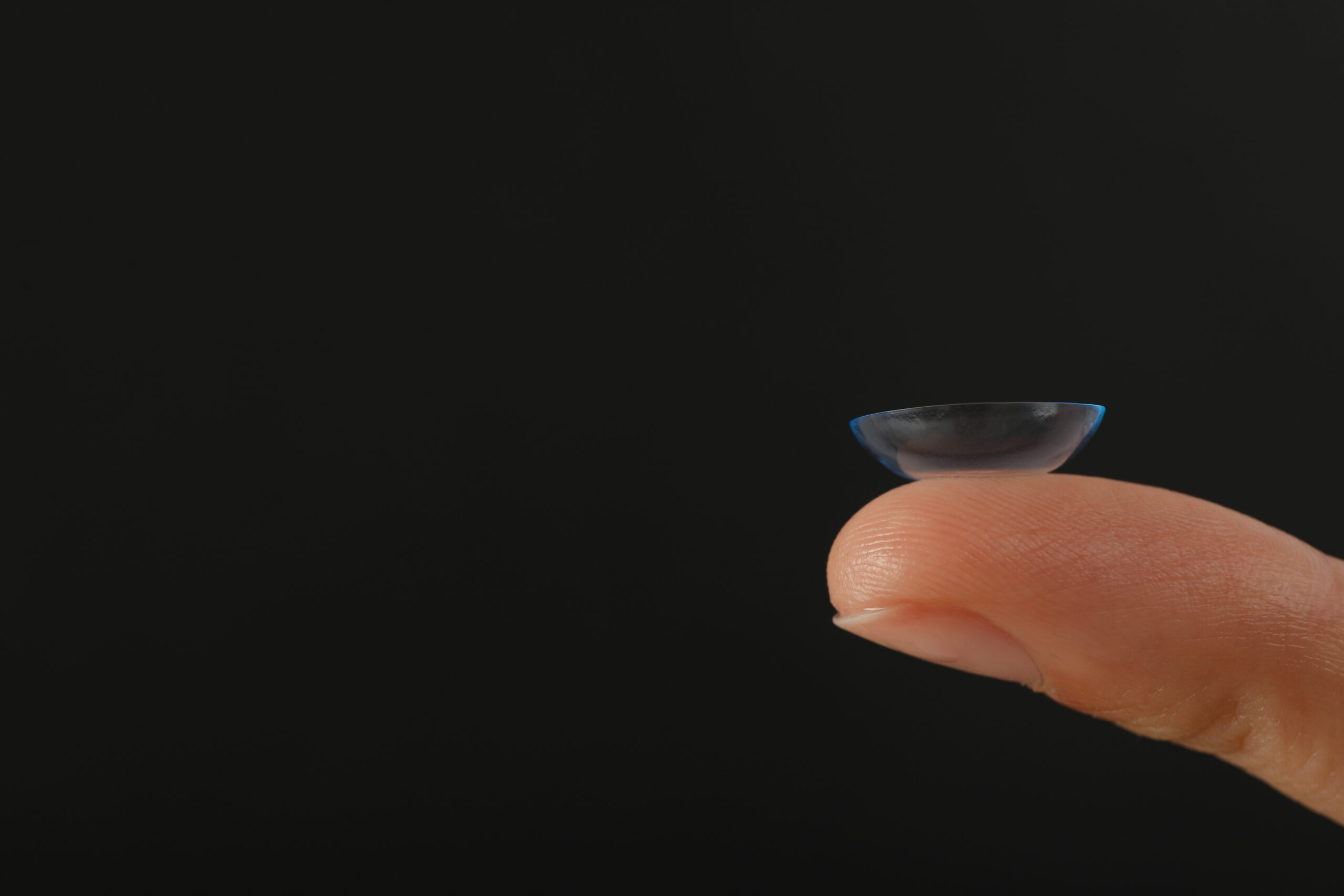
Though it contributes greatly to daily pain, digital screen exposure is among the most neglected environmental offenders in terms of contact lens dryness. Prolonged device use — laptops, cellphones, tablets can significantly lower your natural blink rate from an average of 15 to 20 blinks per minute to around half that level.
This lowering interferes with the uniform dispersion of tears over the surface of the eye, therefore speeding the tear film’s evaporation and leaving contact lenses not well lubricated. Wearers hence frequently have dry eyes, redness, fuzzy vision, and a grainy feeling in the eyes.
Intense concentration on screens also opens the eyes somewhat, so increasing moisture loss by exposing more surface area to air. Lowering humidity levels, air-conditioned settings where screens are often used exacerbate the problem. Left unattended over time, this mix may impair general eye health in addition to influencing lens comfort.
These effects can be lessened by simple habits including deliberately blinking more frequently, practicing the 20-20-20 rule, and changing the height of the screen to minimise eye strain. Including lubricating eye drops intended for contact lens users will also offer extra comfort and keep your eyes hydrated throughout extended periods of screen use.
3. Outdoor Elements
Though they can have a fast and evident impact on comfort, outdoor factors are among the most under-appreciated perpetrators in contact lens dryness. Exposure to wind, for instance, speeds up tear evaporation and so eliminates the thin coating preserving lenses moisturised and comfy.
This continuous airflow can quickly make lenses feel dry, strained, and unpleasant whether you are walking down a breezy road or riding a motorbike. Another element is sun exposure; too much exposure to intense sunshine can cause you to squint more often, hence disrupting natural blinking rhythms necessary to preserve moisture over the lens surface.
Ultraviolet (UV) radiation and heat also gently contribute to eye fatigue, so over time dryness seems more obvious. Air pollution is another surreptitious cause, especially in metropolitan areas with lingering dust, smoke, and fine particles. These particles adhere to the surfaces of contact lenses, so disrupting the eye’s natural tear film and hence worsening pain and decreasing vision.
Even in supposedly calm environments like the beach, challenges come from a mix of wind, salt, and sand that offers the best environment for dehydration and inflammation. All of these external influences impair lens hydration; therefore, contact lens users must be conscious of their surroundings and act proactively when spending a lot of time outside.
4. Low Humidity Environments
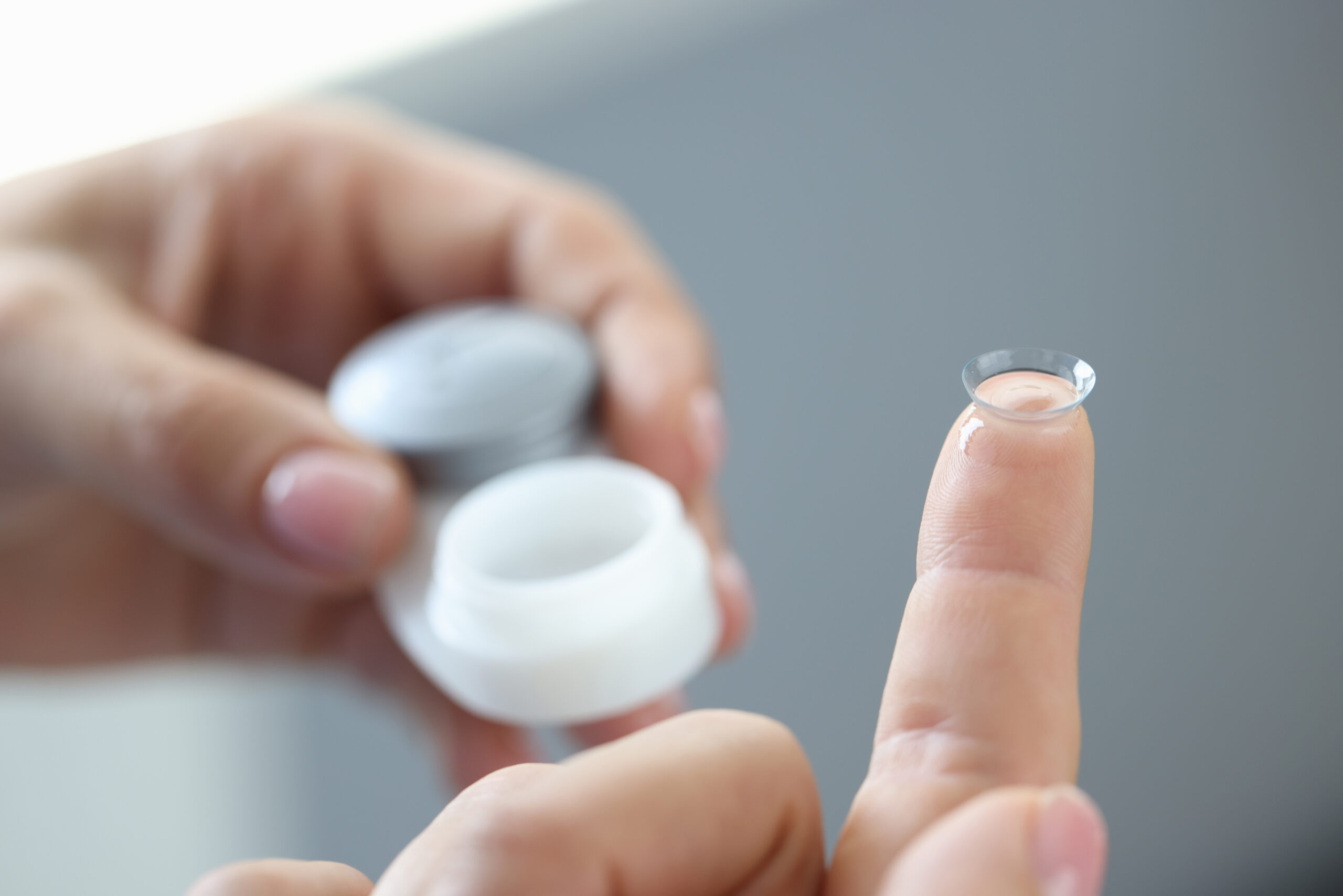
Among the most under-appreciated but significant causes of contact lens dryness are low humidity surroundings, which silently impact wearers in daily contexts. The air around you frequently lacks enough moisture to support a solid tear film whether you are sitting in an air-conditioned office, spending hours in a shopping mall, or travelling on an aircraft.
Under such conditions, your lenses’ natural tear layer, which keeps them hydrated, starts to evaporate more swiftly than usual leaving your lenses dry, tight, and painfully unpleasant as the day passes. Enclosed spaces where ventilation systems repeatedly move dry air, thus preventing any accumulation of moisture that your eyes depend on.
Even what appears to be little exposure might cause moderate but continuous symptoms like itching, hazy vision, or a stinging sensation. This ongoing moisture loss can gradually lower the tolerance of the lens as a whole, therefore making it more difficult to wear contacts for long stretches. Many consumers believe their lenses are inappropriate and not that the dryness comes from outside causes; many might not connect their pain to the environment right away.
Acknowledging low humidity as a secret environmental stimulus enables contact lens users to take proactive measures like improving blink awareness, remaining hydrated, or implementing moisture-supporting behaviours, so preserving comfort and sustaining clearer, more steady vision all day.
5. Smoke & Airborne Irritants
Airborne pollutants and smoke are among the most overlooked environmental elements that might subtly affect contact lens comfort all day. Whether it be exposure to cigarette smoke, kitchen smells, automobile exhaust, or seasonal haze, these particles stay airborne and swiftly touch your lenses.
Contact lenses may catch and retain small particles unlike the eye’s natural surface, therefore enabling them to stay directly against the eye for a long time. Apart from accelerating the drying of moisture, this hinders the tear film maintaining lens comfort and hydration. Users might so feel dryness, redness, or a persistent rough feeling even after they shut their eyes.
Poorly ventilated, enclosed areas like small living rooms or air-conditioned rooms may exacerbate the problem as allergens gather and repeatedly move. Regular exposure over time might lower general lens tolerance, therefore making wearing lenses for many hours harder. Reducing these consequences comes from awareness of your surroundings, avoidance of smoky conditions when practical, and assured correct interior ventilation.
Including strategies like using lubricating eye drops, thorough lens cleaning, or changing to daily disposable lenses can help to lower accumulation as well as provide for a more pleasant wearing experience in the face of environmental stressors.

We are a company of optometrists & opticians. We focus on providing our customers with their preferred optical products to improve visual acuity and enhance their quality of life. At PopularLens, you will find niche and exclusive brands.